Business · · 6 min read
How Wellness Technology Delivers a Measurable Spa Revenue Increase
Updated August 12, 2026 · by the WellnessEquip Indonesia supply desk
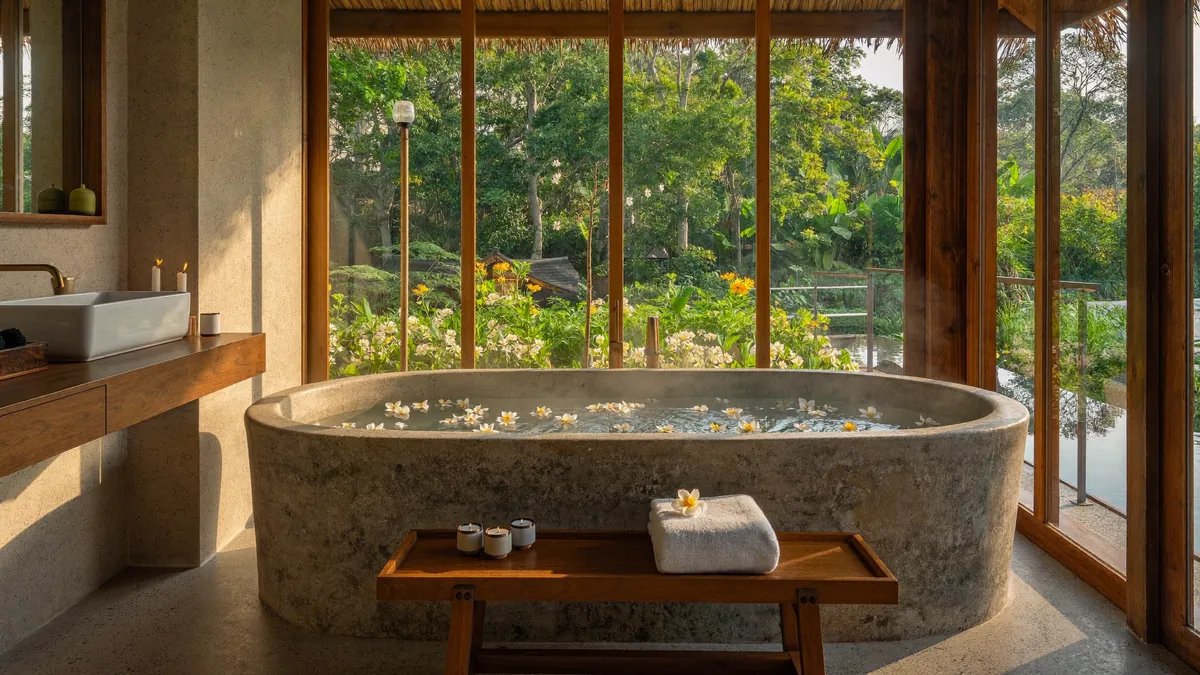
A spa director in Ubud put the problem to us plainly last quarter: “My therapists are fully trained, my reviews are excellent, and I still cannot charge more than $55 for a massage — the villa next door does it for $40.” She is right, and no amount of nicer towels fixes it. Massage in Bali is a commodity with a hard price ceiling, and revenue is capped by therapist-hours. What breaks the ceiling is measurement. Over three years and 100+ equipment projects our supply desk has installed diagnostic equipment in spas and med-spas from Seminyak to Jakarta, and the pattern is consistent: spas that anchor their menu on objective data lift average ticket 40–70% within two quarters, and — more importantly — they finally earn revenue that does not scale one-to-one with labor.
Why spa revenue plateaus — and what actually breaks the ceiling
A traditional spa sells relaxing experiences. Experiences are judged subjectively, compared on price, and forgotten in a week. A diagnostic-led spa sells visible problems and measurable progress: a scanner shows sun damage mapped under UV light, a body composition report shows skeletal muscle and visceral fat, and suddenly the conversation is not “would you like the 60 or the 90 minutes?” but “here is your plan for the next eight weeks.” Plans mean courses, courses mean prepayment, and prepayment is the single best thing that can happen to spa cash flow. The same logic drives the hotel side of the industry — we ran the full numbers in our article on how wellness equipment increases hotel revenue — but in a standalone spa the effect on ticket size is even more direct.
Five revenue levers, with real numbers
- Paid diagnostics as an entry offer. A 20-minute skin scan at $35–50 or a body composition assessment at $25–40 monetizes the consultation itself — the part you currently give away free.
- Course pricing instead of session pricing. After a scan, 6–8 of every 10 clients accept a multi-visit corrective program. A 6-session facial course at $420 replaces six maybe-bookings at $55.
- Retail attach. Spas we supply report retail attach rates jumping from roughly 15% to 35–40% when product recommendations follow a scan image instead of a therapist's opinion. At a $30–60 average retail basket, this alone can add $2,000+ per month. Device retail stretches the basket further: a HigherDOSE red light face mask (~$900) sells convincingly as the at-home extension of a course the scan just justified.
- Rebooking and membership. The re-scan appointment gives clients a concrete reason to return in 4–6 weeks. Rebooking rates move from the low 20s to 50%+ when a follow-up measurement is booked before the client leaves.
- Premium positioning. “Ubud's only spa with clinical skin imaging” is a sentence competitors cannot copy by lowering prices.
The menu, before and after technology
| Service | Before (typical Bali spa) | After (diagnostic-led) |
|---|---|---|
| Facial | Signature facial — $55 | Skin scan + corrective facial protocol — $95, course of 6 for $480 |
| Consultation | Free chat with therapist | Full-face imaging consult — $45, credited against any course |
| Slimming / body | Body wrap — $45 | Body composition assessment + 8-week program with re-tests — $520 |
| Massage | Balinese massage — $45 | Recovery ritual with HRV check-in and report — $75 |
| Retail | Shelf by reception, 15% attach | Scan-linked serum protocol, 35–40% attach |
Skin analysis: the highest-margin square meter in your spa
If a spa buys one device, it should almost always be a skin scanner. The OBSERV 520x skin scanner (~$22,500 landed, roughly Rp 360 juta) photographs the face under six light modes and shows clients pigmentation and dehydration they have never seen. The VISIA skin analysis system (~$67,500) adds database-backed percentile scoring and is the standard for med-spas moving toward aesthetics; the compact JANUS Pro facial analyzer (quoted on request from the official Indonesian distributor price list) fits smaller treatment rooms and tighter budgets. We compared all of them head-to-head in our skin analysis machines guide for med-spas, and you can browse the full skin analysis equipment category for specifications.
Here is the payback math for the mid-range option, using capture rates we actually observe in Bali:
| Line | Assumption | Monthly |
|---|---|---|
| Paid scans | 5/day × $38 × 26 days | $4,940 |
| Course upgrades attributable to scans | 2/day convert, +$45 incremental margin each | $2,340 |
| Retail uplift | +$55/day incremental margin | $1,430 |
| Gross contribution | $8,710 | |
| Operator time, consumables, marketing | −$2,100 | |
| Net contribution | $6,610 |
Against a $22,500 invested OBSERV 520x, that is payback in under four months at full pace — call it 6–8 months with a realistic ramp. We have yet to see a properly operated skin scanner in a tourist-area spa take longer than three quarters to clear its cost. Scanner prices are indicative landed figures — the final number is confirmed by a supply manager and moves with the exchange rate, the freight method and the delivery route.
Body metrics: the second station
Once the scan station earns, add body data. The ACCUNIQ BC730 body composition analyzer (~$22,500) is the workhorse we recommend for spas: 50-second tests, printed reports, no medical operator needed. It turns vague “detox” and “slimming” packages into programs with numbers attached — muscle mass, visceral fat, segmental water — which is exactly what justifies a $500+ course price to a skeptical client. Spas running contrast bathing or thermal circuits should also read our contrast therapy circuit guide, because recovery services price beautifully next to diagnostics.
Stocking that recovery menu is also simpler than it used to be: the branded units guests recognize now come through our red light therapy and PEMF and relaxation catalogs, and a TheraFace PRO (~$1,000) in each treatment room turns the $75 recovery ritual into a consistent, repeatable protocol rather than a therapist improvisation.
Talk to a supply manager on WhatsApp — tell us your current menu and average ticket, and we will suggest a one-device starting point with its own payback sheet.
Membership math: the recurring layer
Once diagnostics are live, add the membership tier — it converts one-off tourists and locals into recurring revenue. The structure that works in the spas we supply: $45–65 per month (about Rp 730,000–1,050,000) including one treatment, a quarterly scan with progress review and 10% off retail. At 60 members paying an average of $55, that is $3,300 of predictable monthly revenue collected before a single walk-in books — roughly the output of a full treatment room, without the labor exposure. Members in our clients' data visit 1.6–1.8 times per month, spend 20–30% more than non-members per visit, and churn at only 4–6% monthly when re-scan reminders go out automatically through WhatsApp. The quarterly scan is the retention engine: it gives the membership a measurable deliverable rather than a discount, and it keeps the diagnostic station earning through Seminyak's low season and Jakarta's corporate quiet weeks. Cap enrollment at what your calendar can absorb — an oversold membership destroys the exclusivity that justified its price.
What we see across Indonesian installs
In Ubud, a garden spa converted a 9 m² storage room into a scan studio; the scanner now feeds its facial program waitlist. A Sanur day spa attached body composition testing to its morning packages for domestic guests from Jakarta and Surabaya, who turn out to rebook re-tests more reliably than tourists. In Jakarta's Kemang district, a med-spa we equipped runs imaging on every first visit and tells us the scan room out-earns two treatment rooms per square meter. None of these operators added headcount beyond one trained operator per shift — training we include with installation, alongside AKL-registered devices delivered door-to-door on confirmed schedules across Bali and Java from our Denpasar and Jakarta warehouses.
Your first 90 days
- Days 1–30: install, train two staff, add three diagnostic SKUs to the menu, photograph the station for social channels.
- Days 31–60: script the front desk (“would you like to see your skin under clinical light before we choose your facial?”), launch course pricing, set the re-scan booking as a checkout default.
- Days 61–90: introduce a membership tier with quarterly scans, review three KPIs — average ticket, retail attach, rebooking rate — and decide station two.
The bottom line
A spa revenue increase does not come from working therapists harder; it comes from selling measured outcomes at prices experiences cannot reach. Start with one scanner, run the 90-day plan, and let the data argue for the next device. Message our supply desk on WhatsApp and we will build the proposal around your actual menu, whether you operate in Ubud, Seminyak or Jakarta.
The WellnessEquip Indonesia supply desk sources, imports and installs wellness equipment across Indonesia. Questions about your project? Message a supply manager on WhatsApp — honest answers, no hard sell.
— FAQ
Frequently asked questions
What is the fastest way to increase spa revenue with technology?
Install a skin analysis scanner and charge $35–50 for an imaging consultation that upgrades into treatment courses. Spas we supply in Bali see 6–8 of 10 scanned clients accept a course or product plan, which lifts average ticket 40–70% within two quarters.
How much does spa wellness technology cost in Indonesia?
Compact facial analyzers such as the JANUS Pro are quoted on request, a mid-range unit like the OBSERV 520x runs around $22,500, and a flagship VISIA system around $67,500. Body composition analyzers suitable for spas start around $22,500. Final pricing depends on configuration, logistics and AKL paperwork.
What payback period should a spa expect on a skin analysis machine?
With 5 paid scans a day plus course and retail uplift, a $22,500-class scanner typically returns its cost in 6–8 months including ramp-up. In high-traffic tourist areas like Seminyak and Ubud we have not seen a well-operated unit need more than three quarters.
Does diagnostic equipment increase spa retail sales?
Yes — recommendation backed by a scan image roughly doubles retail attach rates, from about 15% to 35–40% in the spas we equip. Clients buy the serum that targets the pigmentation they just saw on screen, not a generic suggestion.
— Keep reading
Related guides
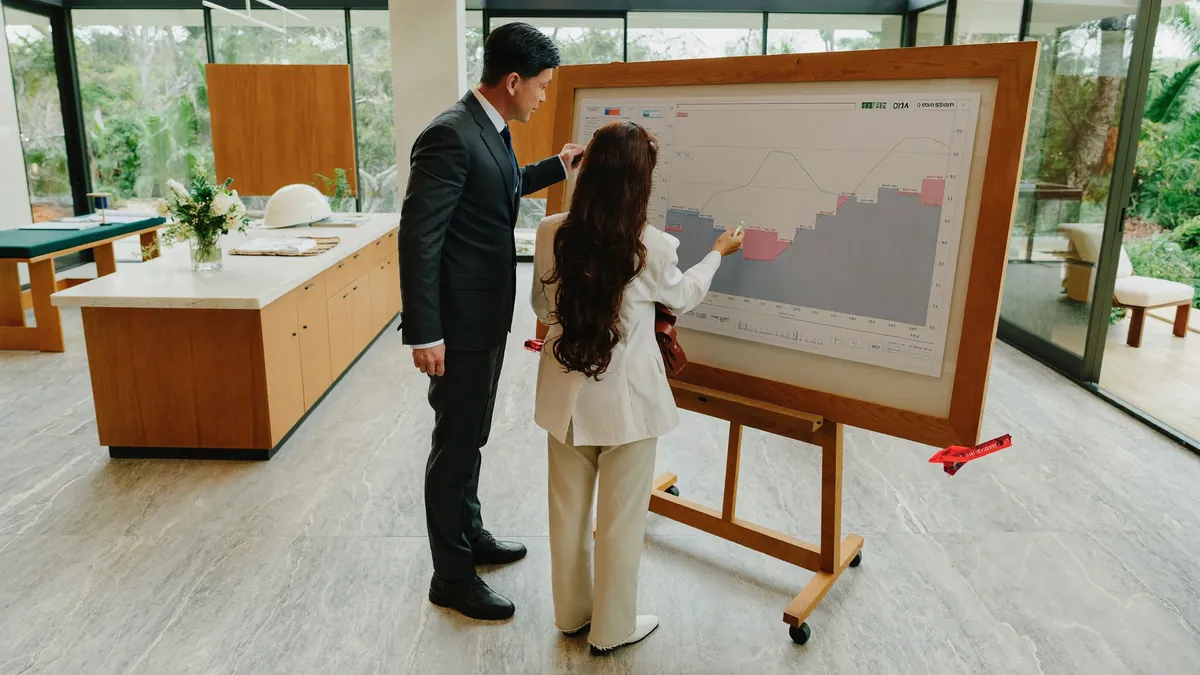
Business · 6 min read
How Wellness Equipment Increases Hotel Revenue: The Real ROI Math
A correctly sized hotel wellness setup pays back in 6–14 months. We break down equipment tiers, session pricing, ADR uplift and a full worked example for a 60-room Seminyak property.
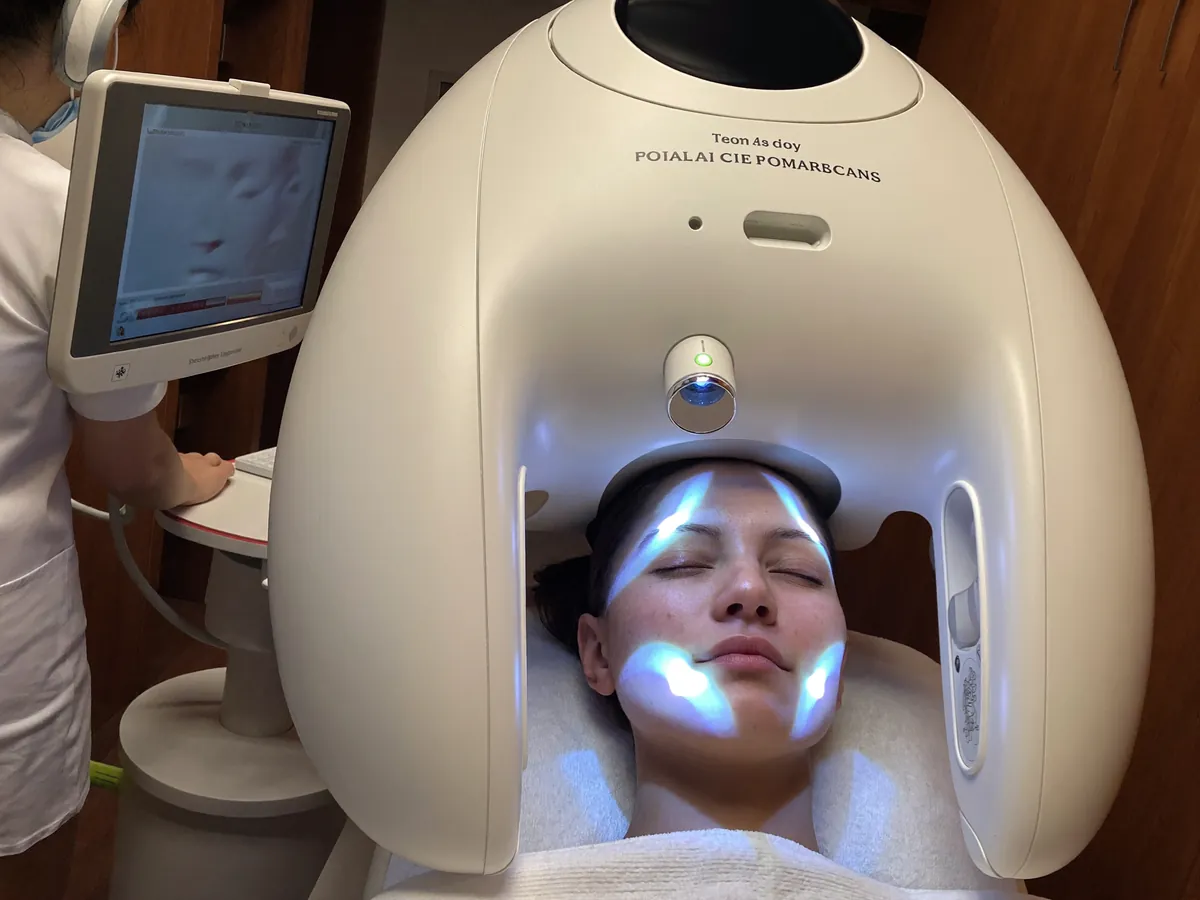
Buyer Guides · 6 min read
Choosing a Skin Analysis Machine: VISIA, OBSERV and JANUS Compared
A skin analysis machine is the highest-converting sales tool a med-spa can install. We compare VISIA CR, OBSERV 520x, JANUS Pro and the Cutometer — with real Indonesian pricing and the consult math that justifies each.

Recovery · 7 min read
Spa Contrast Circuit: Equipment, Budgets and Session Pricing
Heat plus cold outsells either alone — in every project we have supplied. Circuit layouts by floor area, protocols in °C, budgets in USD and IDR, and the capacity math spas actually need.