Business · · 6 min read
How Wellness Equipment Increases Hotel Revenue: The Real ROI Math
Updated August 12, 2026 · by the WellnessEquip Indonesia supply desk
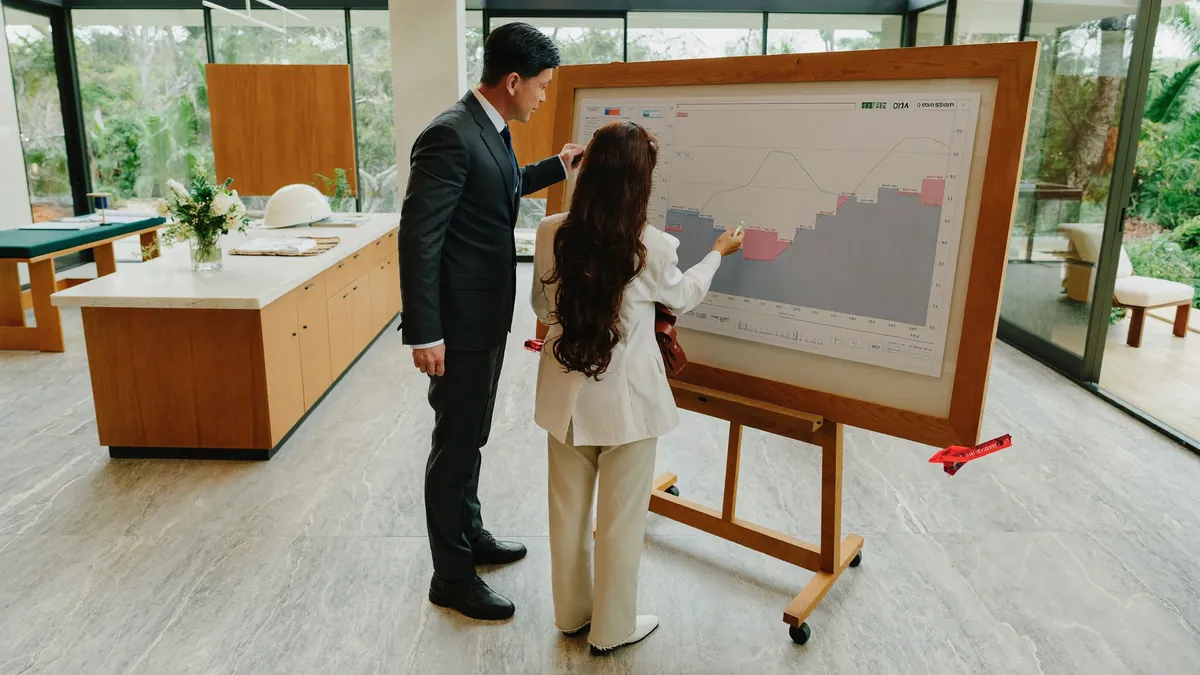
Over the past three years our supply desk has equipped hotels, resorts and villa estates across Indonesia as part of 100+ equipment projects — from 12-key boutique properties in Seminyak to a 200-room resort in Nusa Dua — and the first question every general manager asks is the same: will wellness equipment actually pay for itself, or is it another lobby ornament? The honest answer, backed by our invoices and the follow-up calls twelve months later, is that a correctly sized wellness setup pays back in 6–14 months and then produces margin for years. This article walks through the actual math: what the equipment costs, what guests will pay, how many sessions per day are realistic in Indonesia, and where hotels quietly lose money.
Why hotel wellness stopped being a cost center
The Global Wellness Institute estimates the global wellness economy at roughly $6.3 trillion, growing near 8% a year, with wellness tourism expanding even faster. More important for a hotelier: GWI surveys consistently show international wellness travelers spend 35–45% more per trip than the average tourist. Bali receives around six million foreign visitors a year, and a growing share of them filter their booking search by “recovery”, “sauna”, “fitness assessment” or “longevity program”. A hotel that can honestly write “body composition analysis, metabolic testing and a recovery suite” into its listing is no longer selling a room — it is selling a measurable outcome, and outcomes carry premiums.
The competitive picture has shifted too. In 2023 a gym corner with two treadmills was enough to tick the box. In 2026, properties in Canggu and Uluwatu are opening dedicated recovery floors — we covered that shift in our article on the hotel recovery room trend — and guests increasingly treat diagnostics as part of the stay rather than an exotic extra. The demand side is documented in detail in our wellness tourism Bali market breakdown; the short version is that supply of credible, equipment-backed wellness still lags demand badly outside the top-tier resorts.
The four revenue streams wellness equipment unlocks
- ADR uplift. Wellness-positioned rooms and packages command 8–15% higher average daily rates. On a $145 ADR that is $12–22 per occupied night, with zero marginal cost once the facility exists.
- Directly billed services. Body composition assessments at $25–45, skin analysis at $35–60, metabolic testing at $95–150, recovery circuit sessions at $20–35. These are line items your PMS has never seen before.
- Package attachment and length of stay. Three- to five-night “reset” packages built around an arrival assessment and a departure re-test extend stays and lift total folio value by 20–40% versus room-only bookings.
- Retail, F&B halo and direct bookings. Guests who complete an assessment buy supplements, juices and repeat stays. Program guests overwhelmingly rebook direct, saving you the 15–25% OTA commission on the second visit.
Worked example: a 60-room boutique hotel in Seminyak
Here is the model we build for clients, with realistic Indonesian numbers rather than vendor-brochure fantasies. Assume 60 rooms, 78% occupancy, $145 ADR, a 25 m² wellness room and total equipment investment of $85,000 (around Rp 1.35 miliar at ~Rp 16,000/USD): a body composition station, a 3D scanner and a compact recovery corner.
| Revenue stream | Assumption | Monthly revenue |
|---|---|---|
| Body composition assessments | 6 sessions/day × $35 × 30 days | $6,300 |
| Recovery sessions (contrast, compression) | 9 sessions/day × $28 | $7,560 |
| Wellness package ADR premium | 85 room-nights/month × $20 | $1,700 |
| Retail and re-test attach | blended | $1,150 |
| Gross wellness revenue | $16,710 | |
| Staffing, consumables, energy, maintenance | 2 attendants + utilities | −$7,400 |
| Net monthly contribution | $9,310 |
Payback on $85,000 at $9,310 net per month is just over nine months. Even if you cut every revenue line by a third — slow ramp, rainy season, undertrained staff — payback still lands inside two years. What the table does not show: none of this happens without front-desk scripting, menu integration and a manager who owns the P&L line. Equipment enables revenue; operations collect it.
Equipment tiers: what hotels actually install
| Tier | Typical contents | Budget (USD) | Budget (IDR) |
|---|---|---|---|
| Entry — “measure and start” | ACCUNIQ BC730 body composition, Omron HBP-8000 vitals station, HRV screening | $40,000–45,000 | Rp 650–720 juta |
| Mid — “assessment suite” | InBody 970, Fit3D ProScanner 3D scanner, PNOE metabolic analyzer, recovery corner | $165,000–185,000 | Rp 2.6–3 miliar |
| Flagship — “destination wellness” | Adds VISIA skin analysis, SphygmoCor arterial testing, sauna and cold-plunge suite, point-of-care blood panel | $320,000–380,000 | Rp 5.1–6.1 miliar |
Tier prices are indicative landed figures — the final number for your configuration is confirmed by a supply manager, because it moves with the exchange rate, the freight method and the delivery route.
What to buy first (and why)
If the budget only allows one device, buy body composition. The InBody 970 body composition analyzer (~$90,000 landed) is the piece guests recognize from their gym at home, takes 90 seconds per test, and needs no medical staff to operate. Second, a visual anchor: the Fit3D ProScanner 3D body scanner produces a rotating avatar guests screenshot and share — unpaid marketing every single day. Third, a premium service: the PNOE metabolic analyzer lets you sell VO2 max and resting metabolic rate testing at $95–150 per session to exactly the crowd now filling Canggu gyms. Browse the full body composition analyzer catalog to compare specifications side by side.
Talk to a supply manager on WhatsApp — send your room count and ADR, and we will return a filled-in payback spreadsheet for your property within one working day.
Operating notes from installs in Nusa Dua and Uluwatu
A few practical things we have learned commissioning hotel wellness rooms across Bali and greater Jakarta. You need 12–20 m², stable 220V power and air-conditioning holding under 24°C for analyzer accuracy. One trained attendant per shift is enough for an assessment suite; we include operator training with every installation. Delivery from our Denpasar warehouse reaches any property in Bali — Seminyak, Nusa Dua, Uluwatu, Sanur — on a schedule confirmed with your quote, door to door, and our Jakarta stock covers SCBD and Kemang properties on the same timeline. Every diagnostic device we supply arrives with Indonesian AKL registration paperwork sorted, which matters if your hotel ever hosts a medical-adjacent program.
City hotels run the math differently. In Jakarta's SCBD and Kemang, properties sell wellness to two audiences at once: guests upstairs and office workers next door. A day-pass assessment membership — scan, recovery session and quarterly re-test at Rp 900,000–1,500,000 per quarter — turns a hotel wellness room into a neighborhood health club on weekdays, and city properties we supply report locals driving up to 40% of total wellness revenue. If your hotel sits in a business district, size the equipment for outside demand, not just the in-house guest count.
Five mistakes that kill hotel wellness ROI
- Buying the flagship tier first. A $350,000 suite at 20% utilization loses to a $45,000 suite at 70% every time. Start mid, expand on data.
- No front-desk scripting. If reception cannot explain the assessment in two sentences, capture rate stays under 5% of guests instead of the 15–25% we see at well-run properties.
- Hiding wellness in the basement. Ground-floor visibility or lobby signage doubles walk-in sessions.
- Pricing in round dollar numbers only. Display IDR alongside USD; domestic guests from Jakarta and Surabaya are now half the market at many Bali properties.
- No re-test hook. The departure re-test is what converts a session into a rebooking. Build it into every package.
Run your numbers before you buy
Hotel wellness in Indonesia has crossed from amenity to profit center, but only for properties that size the investment against real capture rates. If you are budgeting a wellness room for 2026–2027, do not start from a brochure — start from your occupancy, your guest mix and honest session pricing, then work backwards to the equipment list. Our team has built that model for hotels from Seminyak to Jakarta and will happily pressure-test yours. Message our supply desk on WhatsApp for a free equipment plan, or see how spas apply the same logic in our guide to spa revenue growth with wellness technology.
The WellnessEquip Indonesia supply desk sources, imports and installs wellness equipment across Indonesia. Questions about your project? Message a supply manager on WhatsApp — honest answers, no hard sell.
— FAQ
Frequently asked questions
How much does hotel wellness equipment cost in Indonesia?
Entry-level hotel wellness equipment starts around $40,000–45,000 for a body composition and vitals station, a mid-tier assessment suite runs $165,000–185,000, and flagship destination-wellness floors reach $320,000–380,000. Prices vary with configuration and logistics.
What is the typical payback period on wellness equipment for hotels?
For properties with 50+ rooms and reasonable occupancy, we see payback in 9–18 months. The worked model for a 60-room Seminyak hotel in this article shows just over nine months at realistic session volumes, and still under two years if revenue comes in a third lower.
Which wellness equipment should a hotel buy first?
Start with a body composition analyzer such as the InBody 970 — guests already know the brand, tests take 90 seconds, and no medical staff is required. Add a 3D body scanner for visual impact and a metabolic analyzer for premium $95–150 testing once utilization proves out.
Does wellness equipment really increase hotel ADR?
Yes — wellness-positioned rooms and packages consistently command 8–15% higher average daily rates, and program guests extend stays and rebook direct. The larger gains usually come from directly billed assessments and recovery sessions layered on top of the ADR uplift.
— Keep reading
Related guides
Business · 6 min read
How Wellness Technology Delivers a Measurable Spa Revenue Increase
Massage prices have a ceiling; measured outcomes do not. How Bali and Jakarta spas use skin scanners and body metrics to lift average ticket 40–70% — with the payback math shown line by line.
Recovery · 7 min read
Why Hotels Are Adding Recovery Rooms — and What They Actually Earn
Gyms and pools no longer differentiate a property. Recovery rooms do. What goes inside, three budget tiers in USD and IDR, and the worked ROI for a 120-key resort.
Trends · 6 min read
Wellness Tourism in Bali: The 2026 Market in Numbers
Six million foreign arrivals, a 40% wellness spending premium and five distinct sub-markets from Ubud to Sanur. A supply-side breakdown of Bali's wellness tourism economy — with the service prices and equipment budgets that make it work.