Business · · 6 min read
Importing Wellness Equipment to Indonesia: Duties, AKL and Freight
Updated August 12, 2026 · by the WellnessEquip Indonesia supply desk
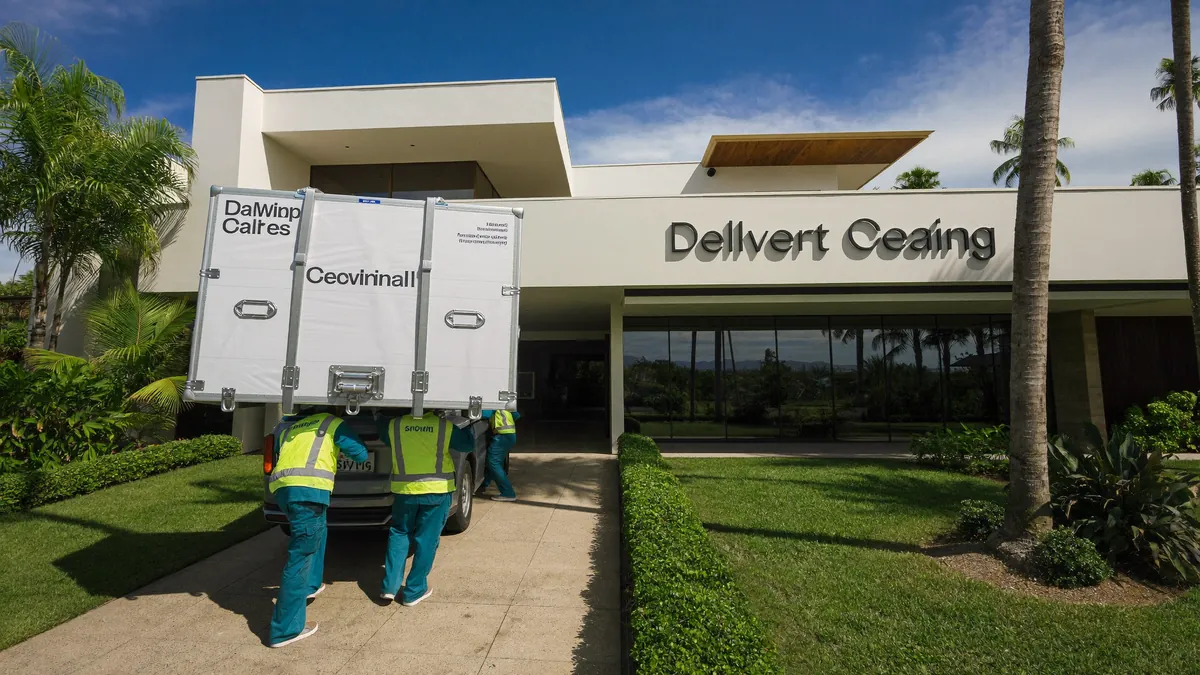
Every month our logistics team clears wellness and diagnostic equipment through Tanjung Priok in Jakarta and into Bali via Ngurah Rai air cargo and the Surabaya–Denpasar overland corridor. After several hundred customs entries — body composition analyzers from Korea, metabolic carts from Italy, saunas from Finland, blood analyzers from the USA — we know exactly where first-time importers lose months and money. This guide walks the full route: classification, duty and tax ranges, the PIB declaration, izin edar AKL registration with Kemenkes, IPAK/IDAK distributor rules, realistic sea and air timelines to Jakarta and Denpasar, and the one commercial decision that makes most of this someone else's problem.
Step 1: Wellness gadget or medical device? Classification decides everything
Indonesian customs does not care what your marketing deck says; it cares about the HS code and whether the item is an alat kesehatan — a medical device — under Ministry of Health regulation. A sauna heater, a cold plunge chiller or a massage gun imports as general goods. A body composition analyzer, a blood chemistry analyzer, an ECG, an arterial stiffness system — anything with a diagnostic claim — is a regulated medical device that needs market authorisation before it can be imported, sold or used commercially. Get this call wrong and your shipment sits in a bonded warehouse at Rp 500 thousand or more per day in storage fees while you scramble for paperwork that takes months, not days.
Import duty and taxes: the honest ranges
Three layers stack on the CIF value (cost plus insurance plus freight):
- Import duty (bea masuk): 0–10% for most equipment in our range. Many medical-device HS codes sit at 0–5%; fitness, sauna and recovery hardware typically lands at 5–10%.
- VAT (PPN): 11% charged on CIF plus duty for most goods under the current implementation of the 12% statutory framework.
- Prepaid income tax (PPh 22): 2.5% if you import under your own licensed importer status, 7.5% if you do not — one of the quiet penalties of importing casually.
| Cost layer | Rate | On a $20,000 CIF analyzer |
|---|---|---|
| Import duty | 5% (example) | $1,000 |
| PPN | 11% of CIF + duty | $2,310 |
| PPh 22 | 2.5% | $535 |
| Total taxes | — | ≈ $3,845 (about 19%) |
The rule of thumb we give clients: budget 18–25% on top of CIF for duties, taxes, clearance and handling on medical-class devices — more if your PPh status is unfavourable or your goods draw a physical inspection.
PIB: the declaration that controls your timeline
The PIB (Pemberitahuan Impor Barang) is the electronic import declaration filed through the customs CEISA system, and nothing moves without it. Filing requires a business identification number with import rights, a tax number and customs EDI access — in practice, a licensed customs broker (PPJK) files on your behalf. Cargo is then routed into channels: green (documents accepted, release within hours), yellow (document review, one to three days) or red (physical inspection, three to seven days). First-time importers and medical goods draw the red lane disproportionately. Critically, medical devices sit on the LARTAS restricted-goods list: the PIB will not clear unless a valid izin edar number is registered against the importing entity. No AKL, no release — at that point your options are re-export, abandonment, or weeks of expensive limbo at Tanjung Priok.
Izin edar AKL: the Kemenkes market authorisation
AKL is the Ministry of Health marketing authorisation for imported medical devices (domestically made devices carry AKD). It legalises a specific model from a specific manufacturer under a specific licence holder, registered through the ministry's online e-regalkes system. Devices are ranked by risk class A through D, and the realistic timelines we see are: class A, one to two months; classes B and C, three to five months; class D, six months and beyond. Government fees are modest — roughly Rp 1.5–5 juta per registration — but assembling the dossier is the real cost: ISO 13485 certificates, a Certificate of Free Sale, a letter of authorisation from the manufacturer, translated instructions for use and test reports. Done through consultants, expect Rp 25–80 juta per device family, plus a manufacturer willing to cooperate. The registration is valid for up to five years and belongs to the licence holder — not to you as the end buyer.
IPAK/IDAK: why you cannot register the device yourself
Here is the wall most buyers hit. Only a licensed medical device distributor can hold AKL registrations and legally import medical-class devices. That licence — historically called IPAK (Izin Penyalur Alat Kesehatan), now issued as IDAK through the OSS system — requires a PT with the correct business classification codes, a qualified technical responsible person with a relevant degree, compliant warehousing and a documented quality system under CDAKB, Indonesia's good distribution practice for medical devices. Building all of that from zero takes three to six months before you file your first AKL application. For a clinic buying one analyzer, it is simply not rational. The practical routes are two: buy from an Indonesian distributor who already holds IDAK and the AKL for your device, or knowingly buy grey — with confiscation exposure, zero legal recourse, no factory warranty and a guaranteed problem when hospital or clinic accreditation auditors ask for registration numbers. We do not recommend the grey route, and we say that as a company that profits either way, because we also sell spare parts to owners rescuing grey-market units.
Ask our logistics team on WhatsApp — send the device name and we will reply within a working day: whether it needs AKL, what the duty layer looks like, and a DDP price to your door.
Sea vs air freight: Jakarta and Denpasar timelines
| Route and mode | Port-to-port transit | Door-to-door incl. clearance | Typical cost |
|---|---|---|---|
| Seoul/Tokyo → Jakarta (CGK), air | 2–4 days | 7–14 days | $6–9 per kg volumetric |
| Europe/USA → Jakarta, air | 3–7 days | 10–18 days | $7–12 per kg volumetric |
| Korea/Japan → Tanjung Priok, sea LCL | 2–3 weeks | 5–7 weeks | $90–150 per cbm plus local charges |
| Europe → Jakarta, sea LCL/FCL | 4–6 weeks | 7–10 weeks | from $1,800 per 20ft FCL |
| Air with transshipment → Denpasar (DPS) | +2–4 days vs Jakarta | 10–18 days | slightly above CGK rates |
| Onward Jakarta → Bali, truck and ferry | — | 4–7 days | Rp 3–8 juta per pallet |
Our guidance: air freight for compact, high-value diagnostics — skin scanners, point-of-care analyzers, HRV systems; sea freight for saunas, plunge systems and heavy carts where the volumetric math punishes air. For Bali, most sea cargo still routes through Jakarta or Surabaya and then travels overland, so plan the extra week. Once goods are in our warehouses, delivery is fast: a confirmed delivery window anywhere across Bali — Seminyak, Canggu, Uluwatu — and 2–4 days to Lombok.
Worked example: a $20,000 analyzer, Seoul to a Denpasar clinic
- FOB Seoul: $20,000; air freight and insurance: $1,400 → CIF $21,400.
- Duty, PPN and PPh 22: ≈ $4,100 on the example rates above.
- Customs brokerage, handling, airport storage: ≈ $400.
- Jakarta–Denpasar forwarding and installation: ≈ $350.
- Landed and installed: ≈ $26,250 (about Rp 428 juta) — 31% above sticker.
And that assumes the device already carries a valid AKL held by a licensed importer. If it does not, add three to five months and consultant fees — or accept that the shipment cannot legally clear at all without an IDAK-licensed partner.
The DDP shortcut: make the paperwork someone else's job
DDP — Delivered Duty Paid — means the seller owns freight, insurance, the PIB filing, duties, taxes and, with a proper Indonesian supplier, AKL compliance, delivery and installation. This is why buying through a local distributor is usually cheaper than the ex-works price gap suggests. An $18,000 ex-works offer from overseas against a $21,500 DDP-installed quote with izin edar is not a $3,500 premium; it is $3,500 to delete two to six months of regulatory work, roughly 20% of landed-cost uncertainty and the entire compliance risk. Every quote we issue from the wellness equipment catalog — an InBody 970 body composition analyzer, a COSMED Q-NRG metabolic cart, a VISIA skin analysis system — is DDP to your door in Jakarta, Denpasar or any area we serve, with registrations held by us where the law requires them. How to verify any supplier's claims — including ours — is covered in how to choose a wellness equipment supplier, and the full facility-level budget picture in opening a longevity clinic in Bali.
Importing something specific this quarter? Talk to a supply manager on WhatsApp — one message gets you a landed, installed, compliant price instead of a customs adventure.
The WellnessEquip Indonesia supply desk sources, imports and installs wellness equipment across Indonesia. Questions about your project? Message a supply manager on WhatsApp — honest answers, no hard sell.
— FAQ
Frequently asked questions
What is izin edar AKL and when do I need it?
AKL is the Kemenkes marketing authorisation required before any imported medical-class device — blood analyzers, body composition analyzers, ECGs and similar diagnostics — can be legally imported, sold or used commercially in Indonesia. Registration takes one to six months depending on risk class and can only be held by a licensed distributor. Pure wellness hardware like saunas or ice baths does not need it.
How much is import duty on wellness equipment in Indonesia?
Import duty runs 0–10% depending on the HS code, with many medical devices at 0–5% and fitness or sauna hardware at 5–10%. On top of duty come PPN at 11% and prepaid income tax (PPh 22) at 2.5–7.5%. As a planning figure, budget 18–25% above CIF value for the full duty, tax and clearance layer.
How long does shipping take to Jakarta versus Bali?
Air freight arrives door-to-door in Jakarta in roughly 7–18 days including customs clearance, depending on origin. Sea freight takes five to ten weeks door-to-door. Bali adds time: most cargo routes through Jakarta or Surabaya plus 4–7 days overland. From our Denpasar warehouse stock, delivery anywhere in Bali is scheduled with your quote.
What does DDP mean when buying wellness equipment?
Delivered Duty Paid: the supplier carries freight, insurance, the PIB customs declaration, import duty, PPN, PPh and — with a licensed Indonesian distributor — the AKL registration, delivery and installation. You receive a legal, working device at a single fixed price. Comparing an overseas ex-works price to a DDP price without adding the 18–25% tax layer and the regulatory risk is the most common budgeting mistake we see.
— Keep reading
Related guides
Buyer Guides · 6 min read
How to Choose a Wellness Equipment Supplier: 12 Checks and 9 Red Flags
The 12-point checklist and nine red flags we would use to vet any wellness equipment supplier in Indonesia — including ourselves. Verify AKL, warranty and service capability before a single rupiah changes hands.
Business · 6 min read
How to Open a Longevity Clinic in Bali: Licenses, Budget, Equipment
Legal structure, clinic licensing, AKL device registration, three equipment budget tiers and honest payback math — everything we tell founders who want to open a longevity clinic in Bali.

Recovery · 7 min read
Starting a Sauna Business in Indonesia: Real Costs, Real Margins
Selling heat in a country where it is already 31°C sounds absurd — until you see the booking calendars. Costs, electricity math, permits and payback for saunas in Bali and Jakarta.