Recovery · · 7 min read
Starting a Sauna Business in Indonesia: Real Costs, Real Margins
Updated August 12, 2026 · by the WellnessEquip Indonesia supply desk
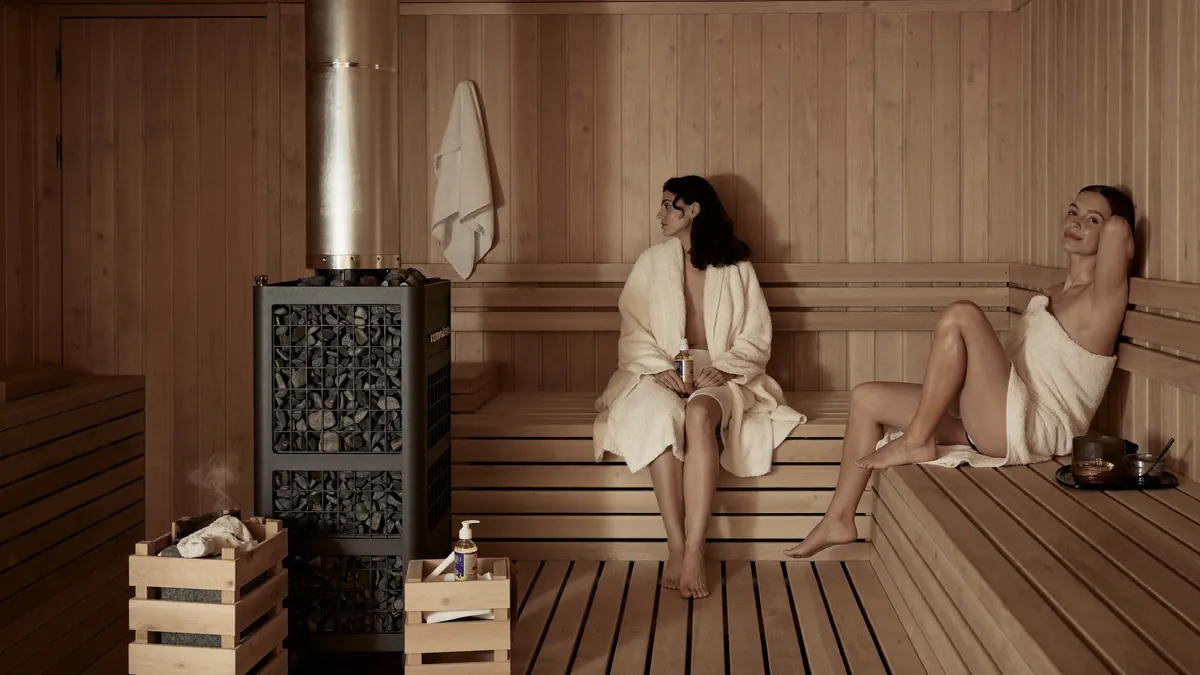
Selling saunas two hundred kilometers south of the equator sounds like a joke — until you look at the booking calendars. The sauna studios our desk has equipped in Seminyak and Ubud run 70–90% evening occupancy, and a members-only sweat club in Jakarta closed its waitlist three months after opening. Over the past three years WellnessEquip Indonesia has supplied or specified commercial sauna builds within 100+ equipment projects, and the same questions come up every time: what does it really cost, what does the electricity bill look like, and what permits do I need? Here is everything we normally cover in the first two calls.
Why heat sells in a hot country
First, Indonesia already has a heat-bathing culture. The Karo highlands around Medan have practiced oukup — herbal steam bathing — for generations, and mandi uap is a fixture of traditional postpartum care. Second, modern urban Indonesia lives in air conditioning: an office worker in Jakarta SCBD goes from a 21°C bedroom to a 20°C car to a 22°C office. A deliberate 85°C sweat has become the novelty, and the global recovery wave — the Global Wellness Institute puts thermal experiences among the fastest-growing wellness segments of a $6.3 trillion industry — has given it a scientific vocabulary. Third, Bali's visitor base includes tens of thousands of Northern Europeans and Australians for whom sauna-plus-plunge is not a trend but a habit they are actively looking to keep on holiday.
Choose your format: four sauna types that work here
- Finnish electric sauna (80–95°C, dry). The gold standard for authenticity and the format serious users ask for by name. Highest power draw, best price point per session.
- Infrared cabin (45–60°C). Lower running cost, gentler experience, faster install — a favorite for gyms and beauty studios in Bandung and Surabaya adding a first heat offering. It is also the segment we now stock as branded units, from the flagship Sunlighten mPulse (~$24,500) down to the HigherDOSE sauna blanket (~$1,700) for a studio testing heat demand from a single treatment bed.
- Steam room (43–46°C, ~100% humidity). Culturally familiar, pairs beautifully with scrub treatments, but the most demanding build in a tropical climate.
- Barrel sauna. The villa and retreat favorite — a finished object that arrives on a truck and photographs brilliantly for Instagram-driven bookings in Ubud.
What a sauna build really costs
| Format | Typical size | Budget (USD) | Budget (IDR) |
|---|---|---|---|
| Infrared cabin, 2–4 person | 3–6 m² | $3,500–8,000 | Rp 56–130 million |
| Barrel sauna, 4–6 person, landed and installed | 7–9 m² | $7,000–14,000 | Rp 110–225 million |
| Custom Finnish sauna, 6–8 person, 9–12 kW heater | 8–12 m² | $12,000–25,000 | Rp 190–400 million |
| Steam room, tiled, commercial generator | 6–10 m² | $8,000–18,000 | Rp 130–290 million |
Those ranges assume proper commercial builds — kiln-dried timber, commercial-grade heaters, ventilation — not marketplace kits. Add Rp 30–80 million if your site needs a dedicated electrical upgrade, which in older Bali buildings it usually does.
Keep two tiers distinct when comparing quotes. The table prices custom builds by local installers — still the right route for large Finnish rooms, and a market whose costs we benchmark rather than set. Branded factory-built cabins are the second tier: units from our infrared sauna catalog such as the Sun Home Equinox (~$16,000) and the Clearlight Sanctuary 2 (~$20,500) land at roughly $16,000–24,500 with factory warranty and commissioning — more than a comparable custom infrared build, in exchange for a finished, documented unit that insurers and franchise auditors recognize on sight.
The tropical build problem nobody warns you about
A sauna in Finland dries itself out into 20% humidity air. A sauna in Canggu opens its door into 80% humidity, and that difference destroys badly specified builds. Three rules from our installation partners. One: wood choice matters — thermo-treated aspen or Western red cedar handle the humidity swings; untreated pine grows mold in the gaps within a season. Two: ventilation is not optional — you need designed intake and exhaust airflow, otherwise the structure never dries and the room next door inherits the moisture. Three: put the cool-down and relax area under real airflow or mild AC; the classic mistake is a beautiful hot room whose guests have nowhere comfortable to sit afterwards, which caps your session pricing.
Electricity: the number everyone underestimates
A 9 kW Finnish heater running six hours a day consumes roughly 1,600 kWh a month. At Indonesian commercial tariffs of Rp 1,400–1,800 per kWh that is Rp 2.3–2.9 million ($145–180) a month for one hot room. An infrared cabin draws 1.8–2.4 kW — around Rp 500,000–750,000 a month on the same schedule — which is exactly why infrared is the entry format for cost-cautious operators. Design your pricing around this: a Finnish session needs to carry roughly Rp 15,000–20,000 of pure energy cost at healthy occupancy, more if the room runs half-empty.
Permits and paperwork, honestly
This is not legal advice, but the pattern across our clients is consistent. You will register a business entity and obtain an NIB through the OSS system, typically under a spa or fitness-related KBLI classification; wellness businesses offering heat bathing usually sit alongside spa activities, which involve your local Dinas Kesehatan for a health-tourism or spa operational certificate. Banjar-level relationships matter in Bali as much as the paperwork itself. Imported equipment is our side of the table: we handle customs clearance from our Jakarta and Denpasar warehouses and can tell you before purchase which items carry medical-device (Kemenkes AKL) requirements and which — like most sauna hardware — do not. Budget 4–10 weeks for licensing depending on the regency, and engage a local licensing consultant; we are happy to introduce the ones our clients rate.
Scoping a build right now? Talk to a supply manager on WhatsApp — we will pressure-test your format, heater sizing and electrical plan for free before you commit to anything.
Pricing models and the profit math
Across Bali and Jakarta we see four models working. Drop-in sessions at Rp 150,000–350,000 for 60–90 minutes. Private room hire at Rp 550,000–950,000 ($35–60) per hour in Seminyak — couples and small groups love this and it doubles your revenue per slot. Memberships at Rp 1–2 million a month, which smooth cash flow through low season. And retreat integration in Ubud, where a sauna-and-plunge block adds Rp 400,000–600,000 per guest per day to a retreat package. The strongest operators combine heat with cold — the full model is in our contrast therapy circuit guide for spas and our ice bath business guide.
| 8-person Finnish sauna, Seminyak studio | Conservative month |
|---|---|
| Drop-ins: 14 guests/day × 26 days × Rp 250,000 | Rp 91 million (~$5,700) |
| Private hires: 20 hours × Rp 750,000 | Rp 15 million (~$940) |
| Operating costs (staff, power, laundry, rent share, maintenance) | −Rp 45–55 million |
| Net contribution | Rp 55–60 million (~$3,400–3,750) |
Against a Rp 190–400 million build, that is a 5–9 month payback in a strong location — slower than an ice bath, but with a longer equipment life and, in our experience, better member retention.
Safety screening as a service, not a chore
Heat stresses the cardiovascular system — that is the point, and also the risk. Commercial operators should screen guests with uncontrolled hypertension or heart conditions, and the smart ones turn that duty into a product: a two-minute blood pressure check with a clinical-grade monitor like the Omron HBP-8000 professional blood pressure monitor at check-in, and a paid “heat adaptation report” using a Max Pulse cardiovascular screening device that shows members how their circulation responds over eight weeks of regular sauna. Browse our cardiovascular health equipment category for the full screening stack — it is the same hardware hotel recovery suites are adding, as covered in our hotel recovery room trend report.
Operations notes from the field
- Heater elements last 3–5 years at commercial duty; stock a spare set, because a dead heater on a Saturday costs more than the part.
- Towel laundry runs Rp 3–6 million a month for a busy studio — negotiate a per-kilo contract early.
- Log room temperatures twice daily; drift usually means a failing sensor, and catching it early avoids guest complaints.
- Insure the premises for fire explicitly mentioning the sauna; two of our clients found standard policies excluded it.
The bottom line
A sauna business in Indonesia is a real, durable margin business — not a gimmick — provided you build for humidity, budget honestly for electricity, and treat licensing as a first-class task. We supply Finnish, infrared, steam and barrel formats from Finland, Korea, Germany and vetted OEM partners, deliver door-to-door from Denpasar and Jakarta warehouses (delivery windows confirmed with your quote across Bali, including wellness equipment delivery to Ubud), and install with partners who have made every tropical mistake once so you do not have to. Message a supply manager on WhatsApp for a free format-and-budget consult.
The WellnessEquip Indonesia supply desk sources, imports and installs wellness equipment across Indonesia. Questions about your project? Message a supply manager on WhatsApp — honest answers, no hard sell.
— FAQ
Frequently asked questions
How much does it cost to open a sauna business in Indonesia?
An infrared cabin studio can open for $3,500–8,000 (Rp 56–130 million) in equipment, a custom 6–8 person Finnish sauna runs $12,000–25,000 (Rp 190–400 million), and a tiled steam room $8,000–18,000. Add fit-out, licensing and often an electrical upgrade of Rp 30–80 million in older buildings. Branded factory-built cabins we stock — Sun Home, Clearlight, Sunlighten — are a separate tier at roughly $16,000–24,500 landed with warranty.
Is a sauna business profitable in a hot climate like Bali?
Yes. Air-conditioned urban lifestyles, Indonesia's own heat-bathing traditions and recovery-focused tourists keep evening occupancy at 70–90% in good Seminyak and Ubud locations. A well-run 8-person Finnish sauna typically nets Rp 55–60 million a month and pays back in 5–9 months.
What license do I need for a sauna or spa business in Indonesia?
You will need a business entity with an NIB via the OSS system under a spa or fitness-related KBLI code, plus local health-office (Dinas Kesehatan) certification for spa-type operations. Requirements vary by regency, so budget 4–10 weeks and use a local licensing consultant — we can introduce vetted ones.
Which sauna type is best for Indonesia's humidity?
Finnish saunas in thermo-treated aspen or Western red cedar with designed intake and exhaust ventilation handle tropical humidity best. Untreated pine kits mold quickly. Infrared cabins are the lowest-risk entry format, while steam rooms are the most demanding build and need experienced installers.
— Keep reading
Related guides
Recovery · 7 min read
Spa Contrast Circuit: Equipment, Budgets and Session Pricing
Heat plus cold outsells either alone — in every project we have supplied. Circuit layouts by floor area, protocols in °C, budgets in USD and IDR, and the capacity math spas actually need.
Recovery · 7 min read
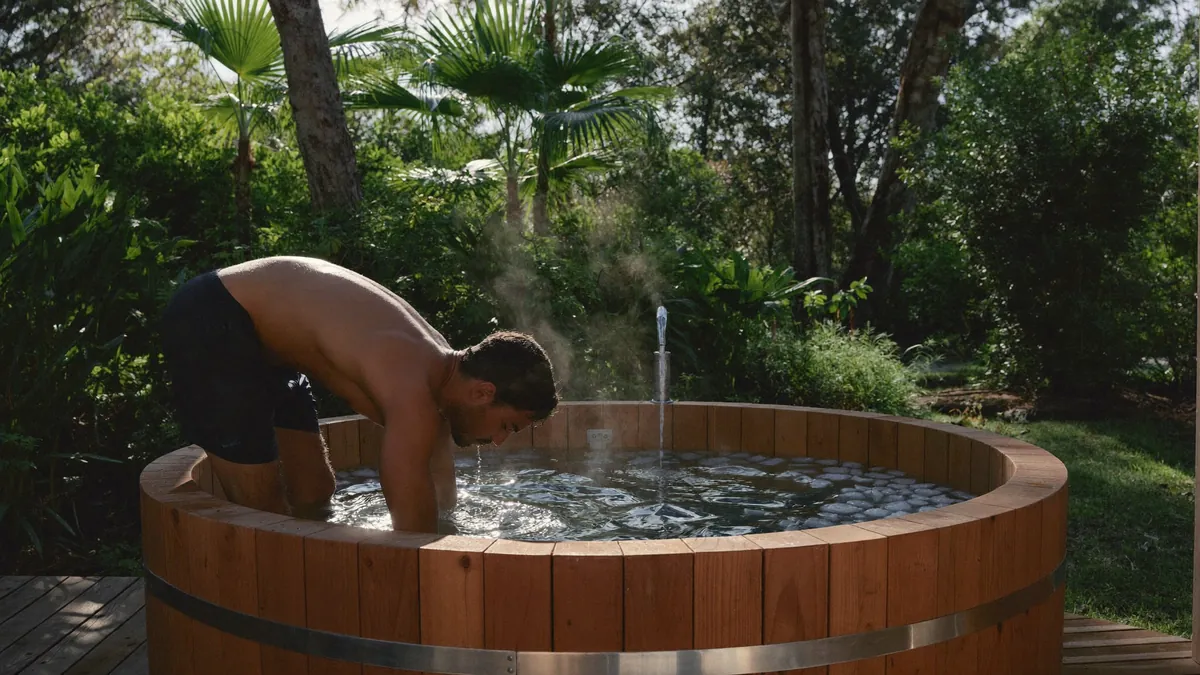
How to Build a Profitable Ice Bath Business in Indonesia
Real numbers from equipping 25+ recovery studios across Bali and Jakarta: equipment tiers, session pricing, sanitation, ROI math — plus an honest DIY section for owners on a budget.
Recovery · 7 min read
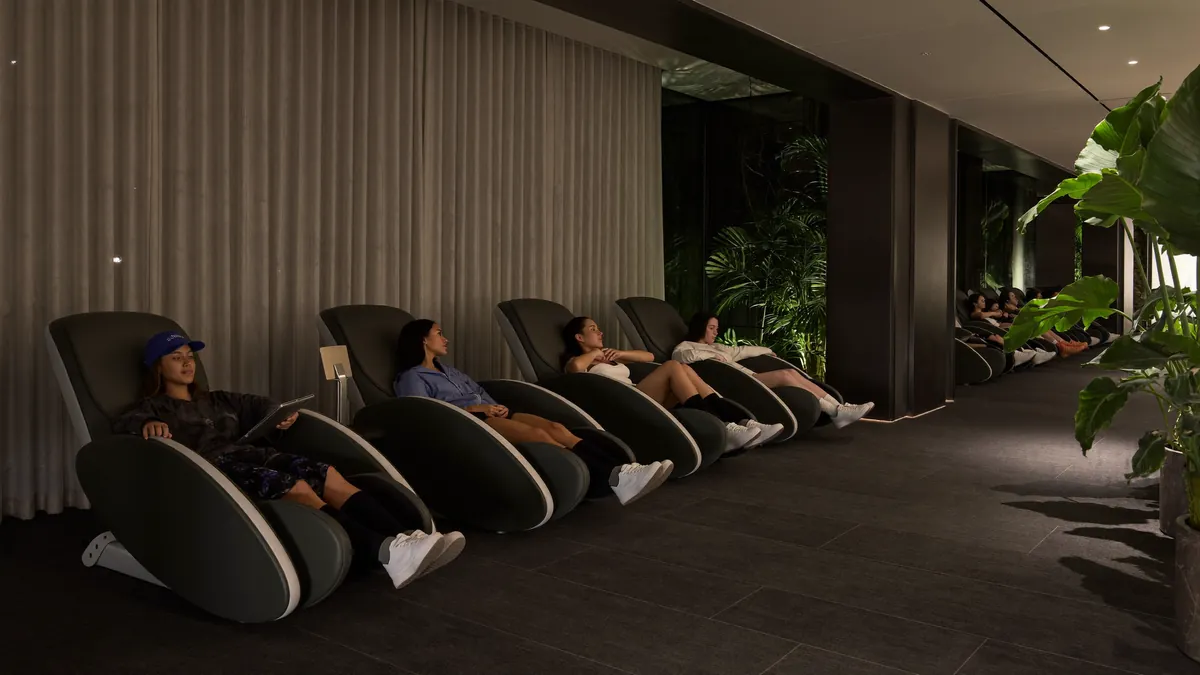
Why Hotels Are Adding Recovery Rooms — and What They Actually Earn
Gyms and pools no longer differentiate a property. Recovery rooms do. What goes inside, three budget tiers in USD and IDR, and the worked ROI for a 120-key resort.