Buyer Guides · · 6 min read
How to Choose a Wellness Equipment Supplier: 12 Checks and 9 Red Flags
Updated August 12, 2026 · by the WellnessEquip Indonesia supply desk
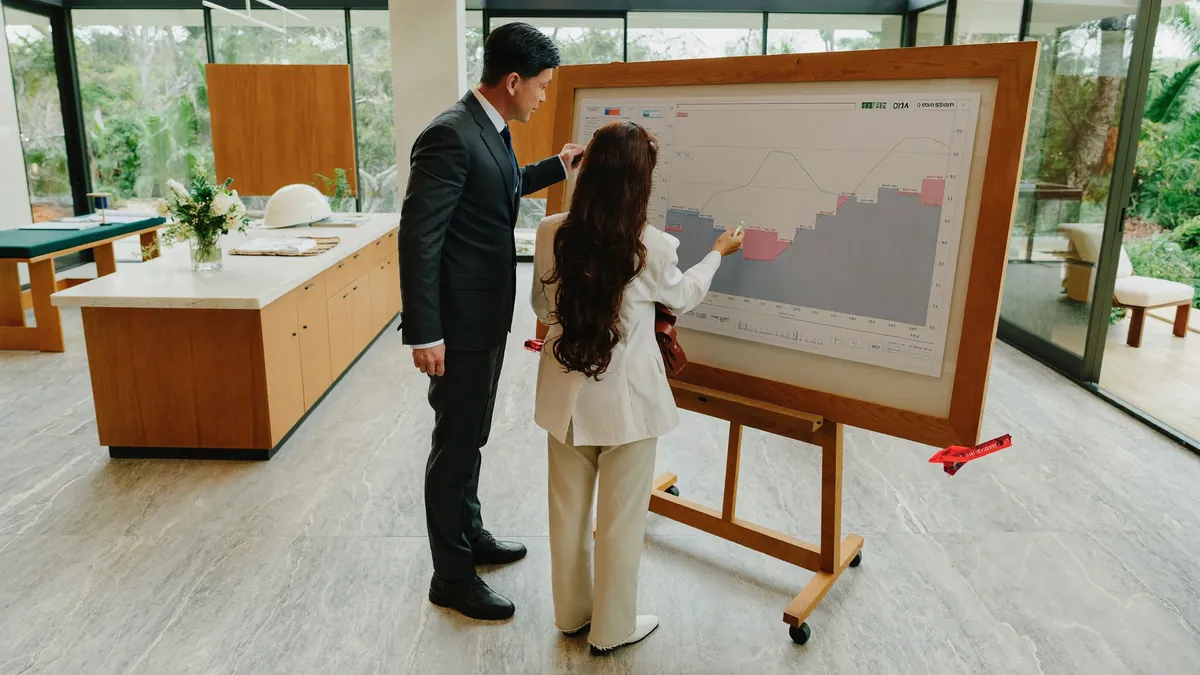
It may sound strange coming from a supplier, but this is the article we wish every buyer read before requesting their first quote. Over the past three years our service team has rescued a string of installations across Bali and Java that were abandoned by vendors: machines delivered without izin edar, warranties that existed only in chat messages, “German” devices that turned out to be unbranded lookalikes with the logo stickered on. Indonesia's wellness equipment market is young, fast-growing and unevenly regulated — which means the supplier you choose matters more than the brand you choose. Here is the exact wellness equipment supplier checklist we would use ourselves, and the red flags that should end a conversation on the spot.
Why the supplier matters more than the brand
An InBody or a COSMED is the same machine in Seoul, Rome or Denpasar. What differs is everything around it: import legality, installation quality, staff training, calibration cadence, spare-part lead times, whether the warranty is honoured locally, and what the unit is worth at resale. Roughly seventy percent of the “equipment problems” that reach our service desk are actually supplier problems. A weight-loss clinic in Kemang once waited four months for a $90 sensor because its seller had no Indonesian entity and no parts stock — the machine earned nothing that whole time. The checklist below protects the boring things that decide a device's five-year cost of ownership.
The 12-point wellness equipment supplier checklist
- Legal Indonesian entity. A registered PT with a business identification number and the correct classification codes for medical or wellness equipment trade. Ask for the company deed and NIB. A reseller operating from a personal Instagram account cannot sign an enforceable warranty.
- Medical device distribution licence (IPAK/IDAK). Mandatory for anyone selling medical-class items — body composition analyzers, blood analyzers, ECGs, arterial stiffness systems. Ask for the licence number and check it is current.
- Izin edar AKL for each medical-class device. Every regulated model needs its own Kemenkes registration number, verifiable on the ministry's public infoalkes portal. No AKL means grey import — confiscation exposure now and failed clinic accreditation later.
- Manufacturer authorisation. A letter of authorisation or a listing on the manufacturer's official distributor page. Grey-market units typically lose factory warranty the moment they cross the border.
- Demo before deposit. A showroom in Denpasar or Jakarta, or a demonstration at an existing client's site. For a six-figure device, a video call is not a demo.
- Warranty in writing, with response times. Concrete terms only: remote response within 24–48 hours, on-site within 3–7 working days in Bali and Jakarta, parts coverage spelled out, and a loaner or backup policy for revenue-critical devices.
- In-country service engineers. Ask who exactly drives to your facility in Ubud when the device fails — names and manufacturer training certificates, not “our partner network”.
- Spare parts and consumables stocked locally. Electrodes, cuffs, mouthpieces, filters, reagent cartridges. From local stock, replacement takes days; from overseas, it is four to eight weeks of downtime and lost bookings.
- A transparent DDP quote. One number covering the device, freight, duty, PPN, customs clearance, delivery, installation and training. If import costs are “your problem later”, walk away — the full mechanics are in our guide to importing wellness equipment to Indonesia.
- Training and protocols included. Staff certification on handover, testing SOPs in Bahasa Indonesia and English, and a re-training option for when your team inevitably changes.
- References from businesses like yours. A hotel spa reference proves nothing about diagnostic clinic workflows. Ask for two comparable sites and visit at least one.
- Data and integration support. Export formats, API or LAN options, and real help connecting devices to your CRM or member app — we showed why this decides utilisation in making equipment data work.
Send our supply desk a message on WhatsApp — ask us any of the twelve points above. We answer with documents, not promises, usually within the hour during business time.
Nine red flags that should end the conversation
- Prices 30–40% below market with “ready stock” of every brand at once. Authorised distribution has price floors; deep discounts usually mean grey units, refurbished stock sold as new, or a seller who will not exist at warranty time.
- No visitable address in Indonesia — no showroom, no warehouse, meetings only in cafés or online.
- Dodging the AKL question. “It's wellness, not medical, so no registration needed” — said about a clearly diagnostic device — is the single most expensive sentence in this industry.
- Blanket “FDA approved” stamps across the whole catalog. Many wellness devices hold no FDA clearance at all, and clearance status differs by model and market. Honest suppliers state each device's actual regulatory position; careless claims there predict careless claims everywhere.
- 100% prepayment — especially to a personal bank account. Normal structure is 30–50% with the purchase order and the balance before dispatch, always to a corporate account matching the PT name.
- No named service engineers. “We will fly a technician in” translates to weeks of downtime billed to your patience.
- Only renders and stock photos. If they cannot show you a live video of the physical unit with its serial number today, they do not have it.
- Pressure tactics. “This price expires tonight” is not how $40,000 procurement works anywhere in the world.
- Verbal-only warranty. If it is not in the contract with response times and coverage terms, it does not exist.
Seven questions for the first call
- What is your IPAK/IDAK licence number?
- Which AKL numbers cover this exact model, and under whose name?
- Where can I see this device running in Indonesia this week?
- What does the written warranty cover, and what are the on-site response times for my area?
- Which spare parts and consumables do you keep in Indonesian stock?
- Who trains my staff, for how long, and is re-training included?
- What is the DDP-installed price to my address — one number, nothing to add?
A simple scoring matrix
Weight what actually hurts when it goes wrong: regulatory legality 25%, service capability 25%, total landed price 20%, training and data support 15%, references 15%. Score each supplier one to five per category from evidence — documents, site visits, named people — not from charm. Below 3.5 weighted, keep looking. Run this honestly and the cheapest quote loses more often than it wins, usually on the two categories that decide whether your machine is still earning in year three.
A quick worked example from a shortlist we were scored on last year — we came second on price. Supplier A quoted $31,500 ex-works for a clinical analyzer with vague “import assistance”; Supplier B quoted $36,900 DDP installed with izin edar, two days of training and a 24-month on-site warranty. Score it honestly: A takes price 5/5 but lands 1/5 on legality — no distribution licence, no AKL, the buyer becomes the importer of record — and 2/5 on service. B scores 4/5 nearly everywhere else. Weighted, B wins by more than a full point before you even add the 18–25% import tax layer that quietly erases A's headline advantage. The clinic chose B. The lesson is not that expensive wins; it is that the matrix surfaces the costs a quote hides.
Grade us with the same list
We publish this checklist because we pass it and much of the market does not. WellnessEquip Indonesia operates warehouses in Jakarta and Denpasar, factory-trained engineers covering Bali from Seminyak to Uluwatu plus Surabaya, Bandung and Lombok, distribution licensing for medical-class lines, and AKL registrations for regulated devices such as the InBody 970 body composition analyzer and the i-STAT 1 blood analyzer. Every price in our wellness equipment catalog is quoted DDP — delivered, installed, staff trained. If you are setting up on the island, our Bali wellness equipment page details delivery and installation timelines area by area, with the window confirmed in your quote.
Shortlisting suppliers this month? Talk to a supply manager on WhatsApp — we will send licence numbers, AKL registrations, reference sites and a DDP quote in one reply, so you can score us against anyone.
Want to benchmark the quotes you receive? Our wellness equipment price list for Indonesia shows indicative landed prices for all 53 systems we supply.
The WellnessEquip Indonesia supply desk sources, imports and installs wellness equipment across Indonesia. Questions about your project? Message a supply manager on WhatsApp — honest answers, no hard sell.
— FAQ
Frequently asked questions
How do I verify a wellness equipment supplier's AKL registration?
Ask for the AKL number of the exact model, then check it on the Kemenkes infoalkes public portal. The registration should match the manufacturer, the model and the licence holder the supplier claims to be or represent. If the number is missing, expired or registered to an unrelated company, treat the unit as grey import.
What warranty is standard for wellness equipment in Indonesia?
Twelve to twenty-four months on parts is typical for professional devices, but the warranty is only as good as its response terms. Insist on written commitments: remote support within 24–48 hours and on-site service within 3–7 working days for Bali and Jakarta, with parts availability and any loaner policy spelled out in the contract.
Is it cheaper to import wellness equipment myself?
Rarely. Self-importing adds 18–25% in duties, taxes and clearance on top of CIF, and medical-class devices cannot legally clear customs without an AKL held by a licensed IPAK/IDAK distributor — a licence that takes months to build. Once regulatory work, freight risk and installation are priced in, a DDP quote from an established supplier usually wins.
What payment structure is normal with an equipment supplier?
A 30–50% deposit against the purchase order and the balance before dispatch or on delivery, paid to a corporate bank account that matches the supplier's registered PT name. Demands for 100% upfront — especially to a personal account — are the clearest red flag in this market and the setup for most of the horror stories we get called in to fix.
— Keep reading
Related guides
Business · 6 min read
Importing Wellness Equipment to Indonesia: Duties, AKL and Freight
Duty ranges, PIB filing, izin edar AKL, IPAK distributor rules and honest freight timelines to Jakarta and Denpasar — plus the DDP route that turns the whole process into someone else's problem.
Buyer Guides · 6 min read
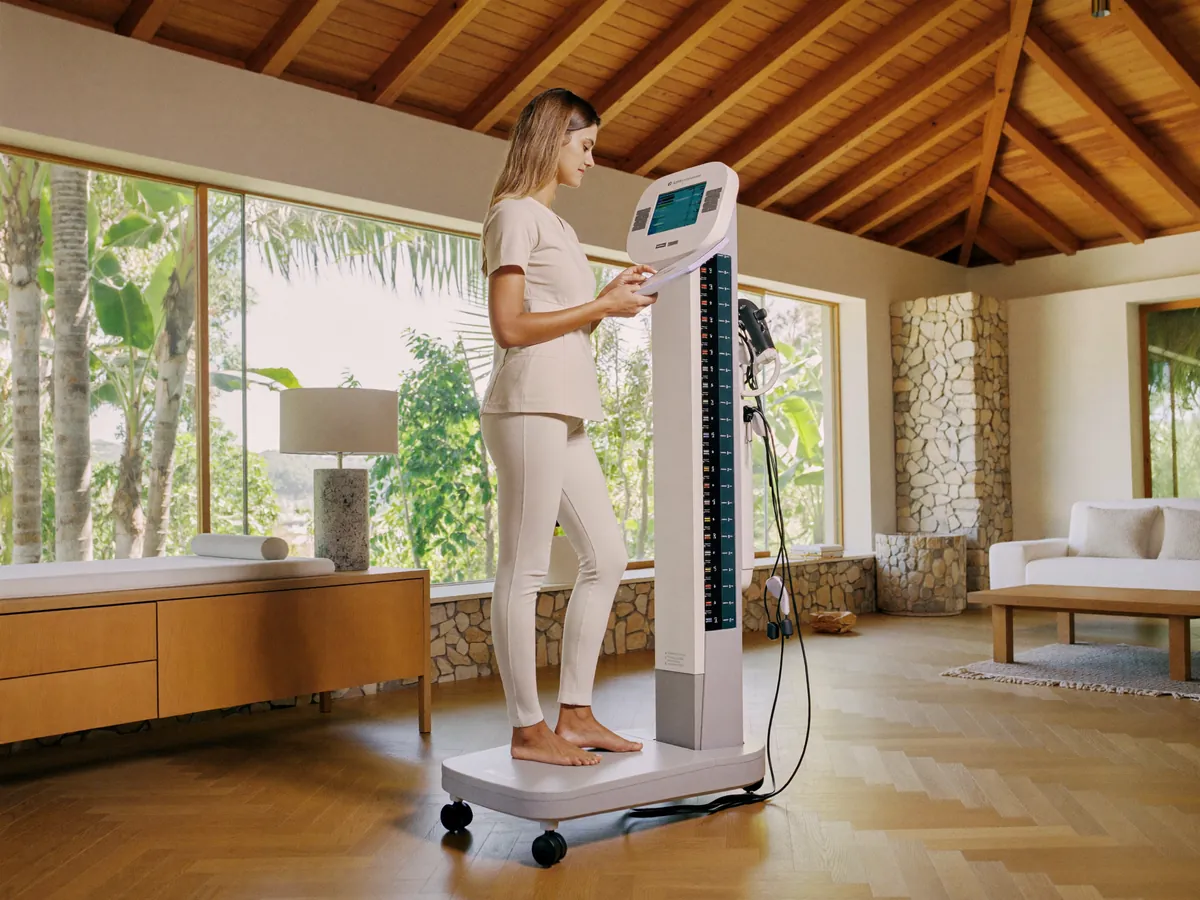
How to Choose a Body Composition Analyzer for Your Gym or Clinic
From a $22,500 BIA unit to the $75,000 BOD POD: how the technology actually works, what four professional analyzers cost in Indonesia, and which one fits your gym, clinic or longevity studio.
Buyer Guides · 7 min read
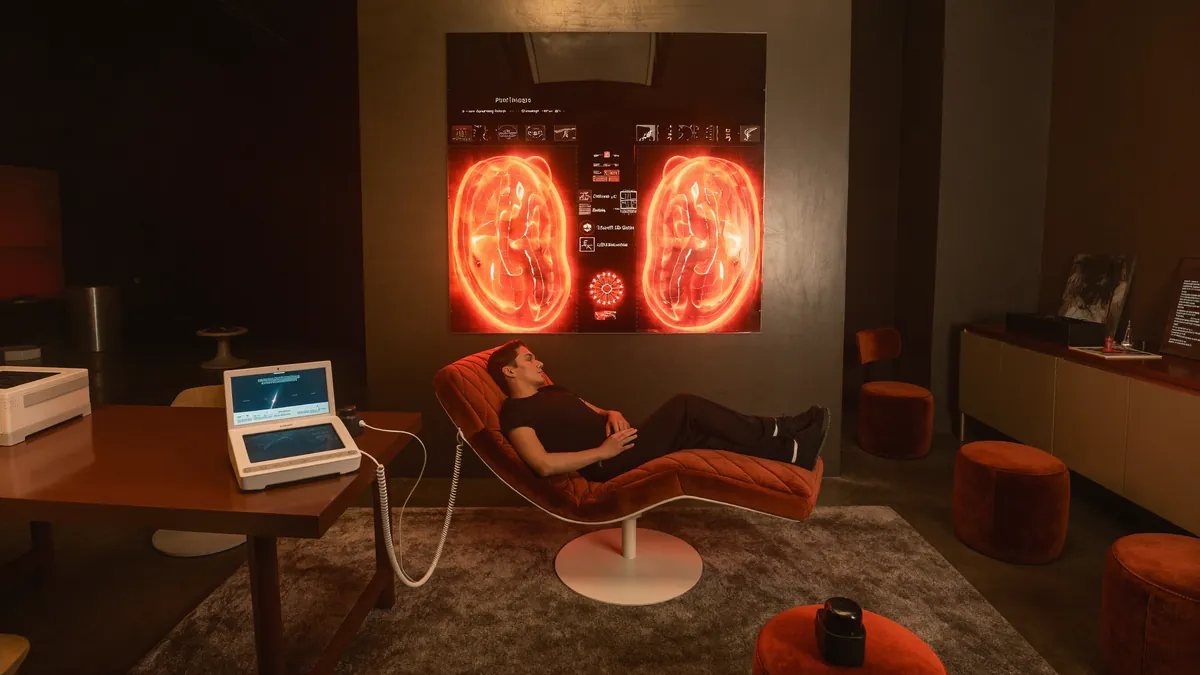
The Complete Biohacking Studio Equipment List (With Real Budgets)
Three budget tiers — $100k starter, $320k growth, $700k flagship — with the exact assessment, recovery and brain-performance equipment behind the biohacking studios we have fitted out in Canggu, Seminyak and Jakarta.