Trends · · 6 min read
Wellness Tourism in Bali: The 2026 Market in Numbers
Updated August 12, 2026 · by the WellnessEquip Indonesia supply desk
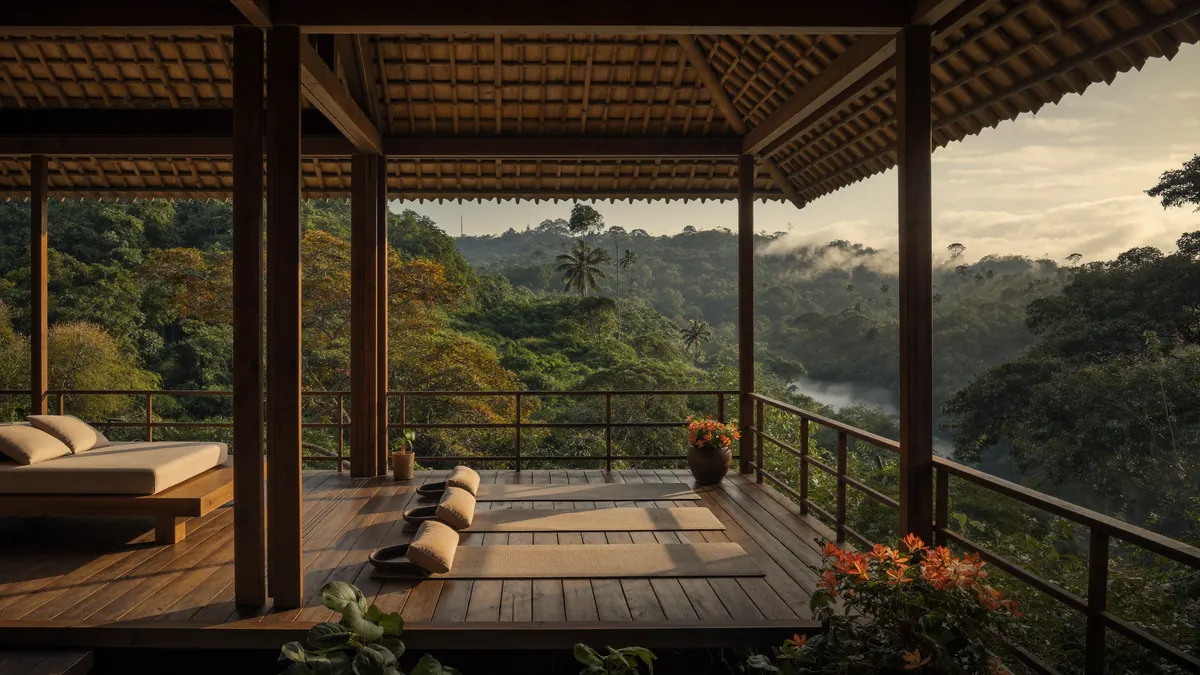
When people ask why a wellness equipment supplier keeps its main warehouse in Denpasar rather than Jakarta, we show them our delivery map. Across the past three years, the majority of everything we have installed — body scanners, metabolic carts, recovery hardware, skin imaging systems — went to businesses serving wellness tourists within ninety minutes of that warehouse. Wellness tourism in Bali is not a lifestyle story; it is a functioning market with visitor volumes, average tickets and payback periods you can model in a spreadsheet. Here is the 2026 picture as we see it from the supply side, with the figures operators actually use when they plan.
How big is Bali's wellness tourism market?
Start with arrivals. Bali welcomed roughly six million foreign visitors a year before the current cycle and has recovered beyond that level, with Australians, Indians, Chinese, Europeans and Russians leading the mix. Add domestic tourism — tens of millions of trips nationally each year, many of them to Bali — and the island's addressable audience is enormous.
Now layer on the wellness premium. The Global Wellness Institute consistently finds that international wellness travelers spend around 40% more per trip than the average tourist. On the ground that shows up as a $60–150 per-day wellness spend on top of accommodation: a morning class, a body scan, an afternoon contrast circuit, a massage. If even 10% of six million visitors buy one paid wellness service per trip at $40–80, that is a $24–48 million annual service pool — before multi-day retreats, packages or the fast-growing longevity segment. Our clients' revenue reports suggest the real figure is comfortably higher.
The retreat layer keeps thickening. Booking platforms list hundreds of multi-day wellness programs on the island, from Rp 4 million weekend resets in Sanur to week-long longevity immersions in Ubud priced above $5,000. Wellness-first visitors also stay longer than the island average, which multiplies daily spend into some of the highest per-visitor revenue in Indonesian tourism.
Where the money concentrates
Bali's wellness demand is not evenly spread. Each area has a distinct buyer profile, and equipment choices should follow it.
- Ubud — the retreat capital. Multi-day programs at $150–400 per night where guests expect measurable outcomes: body composition, biological age, HRV tracked between sessions.
- Canggu and Pererenan — the fitness and biohacking corridor. Gyms, cold plunge studios and VO2 testing sell to a young, data-obsessed crowd; per-session pricing rules here.
- Seminyak and Petitenget — med-spa and aesthetics. Skin analysis drives treatment plans and retail upsell for a clientele that expects clinical polish.
- Uluwatu and Jimbaran — resort wellness. Five-star properties are building recovery suites and longevity menus for guests paying $300+ per night.
- Sanur — the medical tourism play. The government's health special economic zone is concentrating clinical-grade wellness in one district, and every supplier we know is watching it closely.
What wellness tourists actually pay for
| Service | Typical Bali price | Equipment behind it | Equipment budget |
|---|---|---|---|
| Body composition scan | Rp 350,000–500,000 | Professional analyzer | $22,500–60,000 |
| Biological age assessment | Rp 1,500,000–3,000,000 | AGE scanner plus biomarker panel | $45,000–90,000 |
| VO2 max test | Rp 1,200,000–2,500,000 | Metabolic analyzer | $24,000–60,000 |
| Contrast therapy session | Rp 450,000–800,000 | Cold plunge plus sauna circuit | $15,000–45,000 |
| Skin analysis consult | Rp 500,000–1,200,000 | Clinical imaging system | $22,500–67,500 |
Equipment budgets are indicative landed figures — the final price is confirmed by a supply manager, since it moves with the exchange rate, the freight method and the delivery route. Note the pattern: equipment-based services carry the highest margins in the building, because the marginal cost of a scan approaches zero once the device is installed and staff are trained.
Seasonality, utilization and pricing power
Bali's peaks — July–August and December–January — push wellness venues to capacity, but the surprise in our clients' numbers is the shoulder months: wellness bookings dip far less than beach tourism, because retreat guests plan around programs, not weather. A diagnostics station doing 20 scans a week in February and 45 in August still averages out to strong annual utilization. Operators lean on dynamic pricing: a peak-season contrast circuit in Canggu sells at Rp 700,000–800,000 while the same slot in the low season goes for Rp 450,000, keeping the schedule full year-round.
Utilization is the metric that decides equipment ROI. In Ubud, a scanner shared between morning retreat check-ins and afternoon walk-ins can log 30+ paid uses a week. At Rp 400,000 average, that is roughly Rp 48 million (about $3,000) a month from a single device — the reason Bali payback periods routinely beat European benchmarks by a factor of two.
The flip side is discipline. A device parked in a treatment room without a booking flow earns nothing, so we push every client to build testing into the arrival journey — a scan bundled into check-in converts far better than a poster at reception. Retreats that assign one named staff owner per device consistently out-earn those that treat testing as everyone's second job.
The equipment stack behind top-grossing retreats
The retreats that keep waiting lists share one formula: arrival testing, daily programming, departure re-testing. On the hardware side that usually means a Fit3D ProScanner 3D body scanner (~$30,000) for a visual, shareable before-and-after; a Max Pulse HRV device (~$21,000) for daily stress and recovery readings; and, for aesthetics-led properties in Seminyak, a VISIA skin analysis system (~$67,500) anchoring the med-spa menu from our skin analysis equipment range. A retreat can assemble that full arrival-to-departure measurement loop for around $120,000 (≈Rp 1.9 billion) and recover it across three to four high seasons at Ubud package pricing.
If you are building from scratch, our guide to the wellness retreat business model covers occupancy math and staffing; if your concept is clinical, start with how to open a longevity clinic in Bali.
Want numbers for your specific concept? Send your location and guest profile and we will suggest a stack with realistic Bali utilization assumptions — talk to a supply manager on WhatsApp.
Who is buying equipment right now
Our 2025–2026 Bali order book breaks into five buyer types. Retreat owners in Ubud upgrading from yoga-only to measured programs. Gym and studio operators in Canggu adding testing and recovery to defend membership pricing. Villa management companies putting compact wellness kits into properties around Uluwatu and Pererenan to lift nightly rates. Hotel spas in Nusa Dua and Jimbaran converting treatment rooms into diagnostics corners. And clinic groups positioning early around Sanur's medical zone. Stock availability for the island sits in our Bali warehouse overview, with area-level detail on the Ubud page.
Four gaps we still see in 2026
- Longevity testing outside Ubud. Biological age assessment books solid in central Bali, yet Uluwatu, Nusa Dua and Sanur have surprisingly few providers. First movers will own the niche through 2027.
- Serious recovery in resort areas. Conference hotels in Nusa Dua host thousands of delegates weekly, but professional contrast circuits remain rare on the peninsula.
- Data continuity. Guests get tested, fly home, and the data dies in a PDF. Retreats that connect devices to an app retain clients for online coaching — recurring revenue at zero additional equipment cost.
- Domestic wellness travelers. Professionals from Jakarta and Surabaya increasingly book Bali wellness weekends, yet almost nobody markets testing packages to them in Bahasa Indonesia.
Practical notes from the supply side
Bali-specific realities we brief every buyer on: humidity and salt air punish electronics, so budget for air-conditioned equipment rooms and corrosion-resistant installs near the coast. Power fluctuations argue for voltage stabilizers on every device above $10,000. High-season delivery windows fill quickly, so order 8–10 weeks before opening — sea freight from Korea or Europe plus customs clearance eats most of that. From the Denpasar warehouse we deliver and install across the island on a confirmed schedule, from Canggu studios to Uluwatu clifftops, with training in English or Bahasa Indonesia included. The macro context for all of this sits in our overview of wellness industry trends 2026.
Bali's wellness tourism market rewards operators who measure. If your project is at the equipment stage, message our supply desk on WhatsApp with your concept and we will send a costed proposal with delivery timelines within 48 hours.
The WellnessEquip Indonesia supply desk sources, imports and installs wellness equipment across Indonesia. Questions about your project? Message a supply manager on WhatsApp — honest answers, no hard sell.
— FAQ
Frequently asked questions
How many wellness tourists visit Bali each year?
Bali receives roughly six million foreign arrivals annually plus a large domestic flow. Industry estimates suggest a meaningful share — conservatively 10–20% — purchase at least one paid wellness service per trip, and wellness-first travelers stay longer and spend around 40% more than the average visitor, according to Global Wellness Institute research.
How much do wellness tourists spend in Bali?
Beyond accommodation, active wellness guests typically spend $60–150 per day on classes, testing, treatments and recovery sessions. Multi-day retreat packages run from about Rp 4 million for a weekend program to $5,000+ for week-long longevity immersions in Ubud.
What equipment does a Bali wellness retreat need?
The proven baseline is an arrival-to-departure measurement loop: a body scanner, an HRV device and one signature diagnostic such as biological age or skin analysis. That stack costs $70,000–95,000 landed and typically pays back within two to three high seasons at current Ubud and Canggu pricing.
Which Bali area is best for a wellness tourism business?
It depends on the model: Ubud suits multi-day retreats, Canggu suits per-session fitness and biohacking, Seminyak suits med-spa concepts, and Uluwatu or Nusa Dua suit resort partnerships. The underserved niches in 2026 are longevity testing outside Ubud and professional recovery circuits in the resort south.
— Keep reading
Related guides
Business · 6 min read
The Wellness Retreat Business Model, Rebuilt for Indonesia in 2026
Retreats fail on romance and succeed on program margin. Revenue anatomy, unit economics for a 12-villa Ubud property, and the diagnostic equipment stacks that lift rebooking from 18% to 40%+.
Business · 6 min read
How to Open a Longevity Clinic in Bali: Licenses, Budget, Equipment
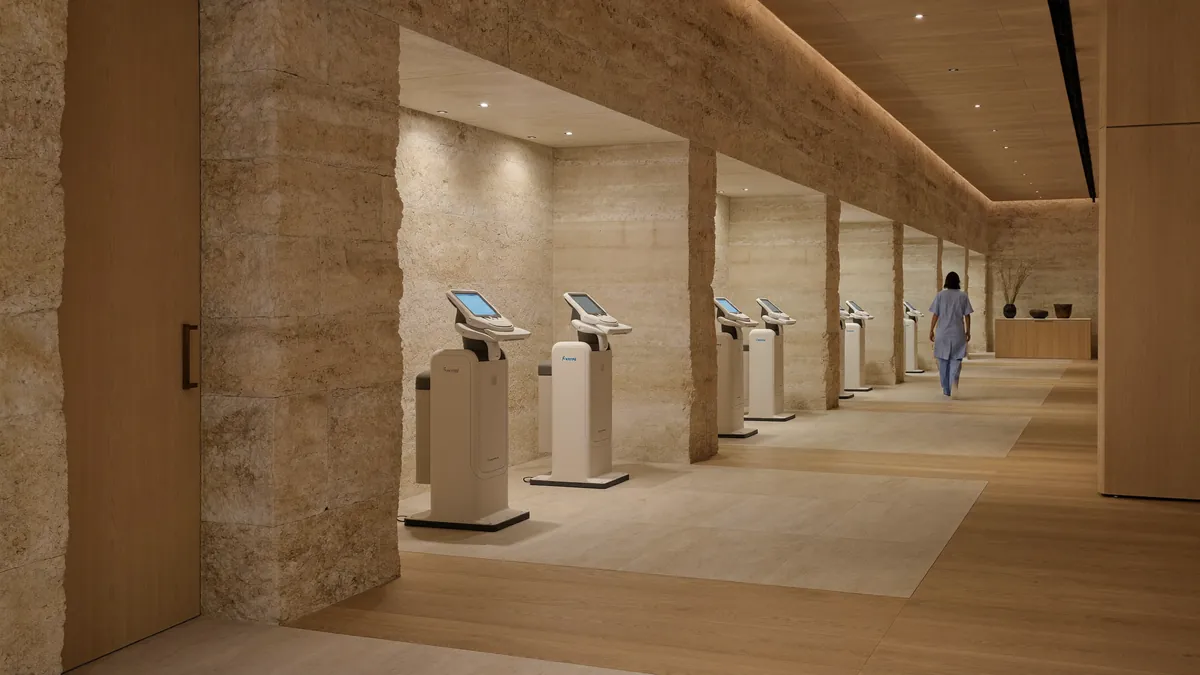
Legal structure, clinic licensing, AKL device registration, three equipment budget tiers and honest payback math — everything we tell founders who want to open a longevity clinic in Bali.
Trends · 7 min read
Wellness Industry Trends 2026: The Equipment Behind the Boom
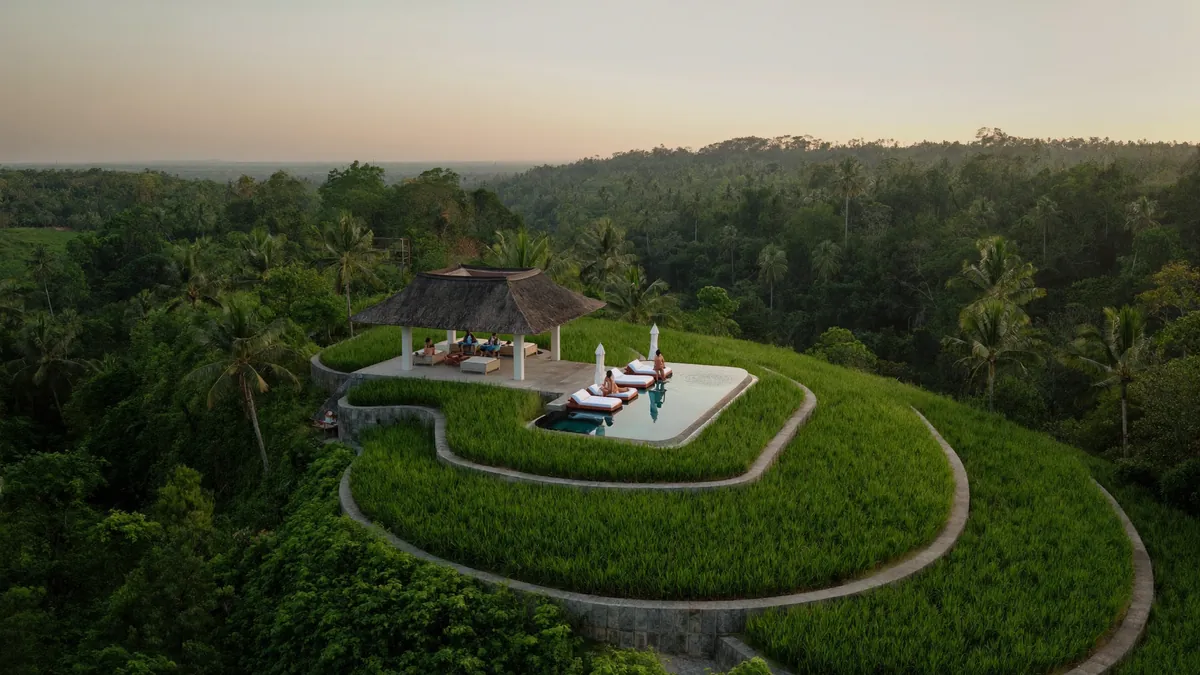
Five trends moving real money in 2026 — diagnostics-first wellness, longevity clinics, recovery infrastructure, wellness real estate and medical fitness — with entry budgets in USD and IDR, and why Bali and Jakarta lead the region.