Buyer Guides · · 6 min read
HRV Monitoring for Clinics and Gyms: What to Measure, What to Buy
Updated August 12, 2026 · by the WellnessEquip Indonesia supply desk
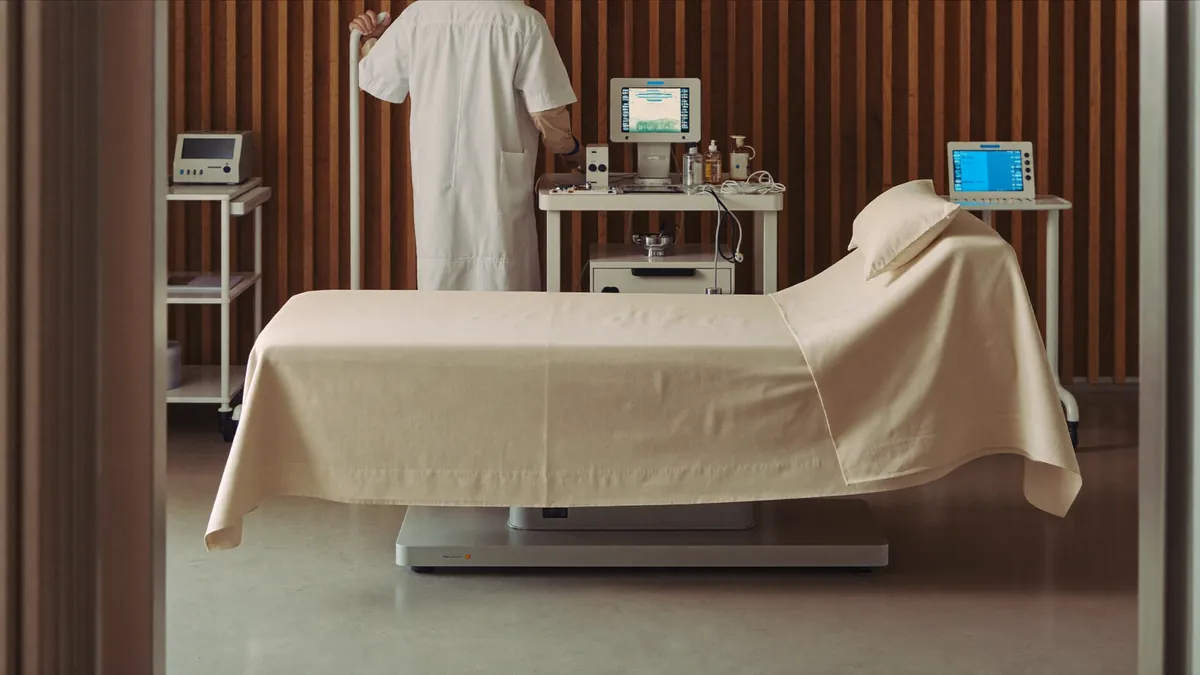
Almost every client walking into a premium gym in Jakarta or a retreat in Ubud already wears a ring or watch that spits out a daily HRV score. That is exactly why professional HRV monitoring has become a serious clinic service: people have a number they do not understand, and they will pay a practitioner who can measure it properly, interpret it against context, and build a program around it. Our supply desk has installed autonomic assessment stations in longevity clinics, corporate wellness programs and retreats across Bali and Jakarta over the past three years. This guide covers the science honestly, the metrics that actually matter, the devices we install, and the four business models that make HRV pay.
What HRV actually is
Heart rate variability is the beat-to-beat variation in the intervals between heartbeats — the RR intervals. A heart that ticks like a metronome is not a healthy sign; a well-regulated autonomic nervous system constantly adjusts timing, speeding slightly on the inhale and slowing on the exhale. That variability reflects the interplay of the sympathetic (fight-or-flight) and parasympathetic (rest-and-digest) branches. Broadly: higher variability signals stronger vagal tone and recovery capacity; suppressed variability accompanies stress, illness, overtraining, alcohol and poor sleep. The signal is real and deeply researched — the caveat is that HRV is context-dependent and individual, which is precisely where professional interpretation earns its fee.
The metrics that matter: RMSSD, SDNN and friends
- RMSSD (root mean square of successive RR-interval differences) is the workhorse of short-term measurement. It captures fast, beat-to-beat changes driven almost entirely by the vagus nerve, is robust in one-to-five-minute readings, and is what most training-readiness protocols and wearables build on. Apps often report it as a log-transformed 0–100 score.
- SDNN (standard deviation of all NN intervals) measures total variability from all sources. Over 24-hour recordings it is the classic clinical metric — post-infarction studies famously flagged values below 50 ms as high risk — but over five minutes it is less specific than RMSSD, so know which window your device uses.
- pNN50 (percentage of successive intervals differing by more than 50 ms) tracks the same vagal activity as RMSSD and is intuitive to explain to clients.
- Frequency-domain metrics split variability into bands: high frequency (0.15–0.40 Hz) tracks respiratory vagal activity, low frequency (0.04–0.15 Hz) mixes influences. The LF/HF ratio is still marketed as a sympatho-vagal balance score, but treat it cautiously — the research community has spent a decade qualifying that interpretation.
Measurement discipline beats metric sophistication. Same time of day (morning is standard), same position, several minutes of quiet rest first, consistent breathing conditions, and — critically — comparison against the client's own seven-day rolling baseline rather than population norms. ECG-grade chest measurement remains the accuracy reference; optical wrist sensors are acceptable for trends but wobble during movement. These protocol rules are the difference between a professional service and a wearable screenshot.
What moves HRV — and what that means for programming
Alcohol reliably suppresses HRV overnight, often for 24–48 hours. Illness onset frequently shows as a drop before symptoms. Accumulated training load without recovery drags baselines down over weeks — the signature coaches use to catch overreaching early. Heat and dehydration matter too, which in Balinese humidity is a practical daily factor. On the improvement side: aerobic base training (see our VO2 max testing guide — the two services are natural partners), slow-breathing practice, consistent sleep, and cold exposure all shift baselines in published work. HRV is the feedback loop that proves those interventions are landing — which is exactly why retreats and biohacking studios anchor programs to it.
The devices we install, compared
| Device | Measurement | Time per client | Price (USD / IDR) | Best fit |
|---|---|---|---|---|
| Max Pulse HRV device | Fingertip pulse-wave (accelerated plethysmography): HRV plus autonomic balance and arterial-elasticity screening | About 3 minutes | ~$21,000 / ≈IDR 340 juta | Front-desk screening in clinics, gyms, pharmacies, retreats |
| Firstbeat Life HRV monitoring | Multi-day ECG-based recording with stress, recovery and sleep analysis | 3-day wear, automated report | Starter kit ~$11,500/year including wearable devices and platform licence | Corporate wellness programs, executive coaching, lifestyle clinics |
| SphygmoCor XCEL arterial stiffness system | Central blood pressure and pulse-wave analysis | About 10 minutes | ~$37,500 / ≈IDR 600 juta | Longevity clinics adding vascular ageing to autonomic panels |
| VaSera VS-2000 CAVI analyzer | Cardio-ankle vascular index — arterial stiffness largely independent of blood pressure at measurement | About 15 minutes | ~$52,500 / ≈IDR 840 juta | Executive check-up units, cardiovascular screening packages |
The ~ figures are indicative landed estimates — final pricing is confirmed by a supply manager and moves with the exchange rate, the freight method and the delivery route. The last two are not HRV devices, and we say so plainly: they measure the vascular side of the same ageing story. Clinics that pair a three-minute autonomic screen with an arterial-stiffness measurement own a cardiovascular-ageing panel that wearables cannot touch — browse the full cardiovascular health equipment range for the complete stack.
Talk to a supply manager on WhatsApp — describe your client flow and we will recommend a device and a protocol, with landed IDR pricing, usually the same day.
Four business models that work in Indonesia
- The three-minute screen: a Max Pulse at reception, IDR 200,000–400,000 per reading or free inside memberships. A clinic in Sanur runs it on every new patient; roughly a third convert to a full cardiovascular panel.
- Retreat arrival/departure delta: Ubud and Uluwatu retreats measure guests on day one and day six. The improvement report becomes the retreat's proof of efficacy — and its best marketing asset. We detailed the format in our wellness retreat business model guide.
- Corporate assessment weeks: Firstbeat-style three-day monitoring priced at IDR 1–2 juta per employee, sold to HR as burnout prevention with aggregate reporting. Demand from Jakarta SCBD towers currently outstrips the practitioners able to deliver it — the opportunity we sized in our corporate wellness Indonesia analysis.
- Coaching subscriptions: monthly HRV review calls layered on training programs, IDR 500,000–1 juta per month. The measurement cadence keeps clients enrolled through plateaus because recovery progress shows before performance does.
Which to choose if…
- Gym, spa or pharmacy wanting a fast, sellable screen: Max Pulse — three minutes, printed report, staff trained in an afternoon.
- Corporate wellness provider or executive coach: Firstbeat Life — the multi-day format and aggregate dashboards are built for HR buyers.
- Longevity or preventive clinic: Max Pulse for intake plus SphygmoCor XCEL or VaSera VS-2000 for vascular ageing — a panel that justifies IDR 2–4 juta screening packages.
- Retreat or resort: Max Pulse for throughput; add Firstbeat for premium week-long programs.
The 60-day launch sequence we recommend
Days 1–14: install the device, run the whole team through it daily and collect staff baselines — interpretation confidence comes from reps, and the readings are free while you practise. Days 15–30: measure every member or patient who walks in, complimentary, and book the follow-up on the spot; a Jakarta clinic we equipped banked 180 baseline readings in its first month this way. Days 31–60: switch to paid readings, launch the intro package — three measurements plus a review consult at IDR 750,000–1 juta — and open corporate outreach with your own aggregate data as the pitch deck. By the end of month two the service is meeting its own numbers, and re-test bookings carry it from there without further marketing spend.
Practical setup notes
- Room: quiet, air-conditioned, client seated and rested five minutes before measurement — consistency is the entire game.
- Language: present results as wellness screening and readiness data, not cardiac diagnosis. HRV screening does not diagnose disease; flagged abnormalities get referred to a cardiologist. This keeps you firmly on the right side of Indonesian medical practice rules.
- Logistics: devices ship from Denpasar and Jakarta stock with AKL import paperwork handled, staff training included, priority delivery across Bali via our Ubud service area and door-to-door nationwide from Medan to Lombok.
HRV monitoring is the rare service where the hardware cost is modest, the science is genuinely strong, and the recurring-revenue logic is built in — every measurement creates the appointment for the next one. If you want a protocol sheet and pricing for your facility, message our team on WhatsApp and we will put the full package together for your city and clientele.
The WellnessEquip Indonesia supply desk sources, imports and installs wellness equipment across Indonesia. Questions about your project? Message a supply manager on WhatsApp — honest answers, no hard sell.
— FAQ
Frequently asked questions
What is a good RMSSD score?
Population averages for healthy adults commonly fall between roughly 20 and 90 ms, declining with age — but the honest professional answer is that trend beats norm. HRV is highly individual, so compare each client to their own seven-day baseline measured under consistent conditions rather than to a chart.
What is the difference between RMSSD and SDNN?
RMSSD captures fast beat-to-beat changes driven by the vagus nerve and is the standard for short one-to-five-minute readings and training readiness. SDNN measures total variability from all sources and is most meaningful over 24-hour recordings, where it serves as a classic clinical risk metric.
Can HRV monitoring detect overtraining?
A sustained decline in morning RMSSD against a client's own baseline — especially alongside rising resting heart rate and worsening subjective recovery — is a well-documented early flag of accumulated fatigue and overreaching. Single-day dips mean little; the seven-day rolling trend is what coaches act on.
Which HRV device is best for a clinic in Indonesia?
For fast in-clinic screening the Max Pulse (~$21,000, three-minute fingertip test) is the workhorse. For corporate and lifestyle programs, Firstbeat Life multi-day ECG assessments fit HR buyers. Longevity clinics typically pair Max Pulse with an arterial-stiffness device like SphygmoCor XCEL or VaSera VS-2000.
— Keep reading
Related guides
Business · 6 min read
Corporate Wellness in Indonesia: Programs Companies Actually Pay For
Medical premiums in Indonesia are inflating 10–13% a year and HR budgets are responding. Four corporate wellness program models, the equipment behind them, and screening-day economics for providers.
Buyer Guides · 6 min read
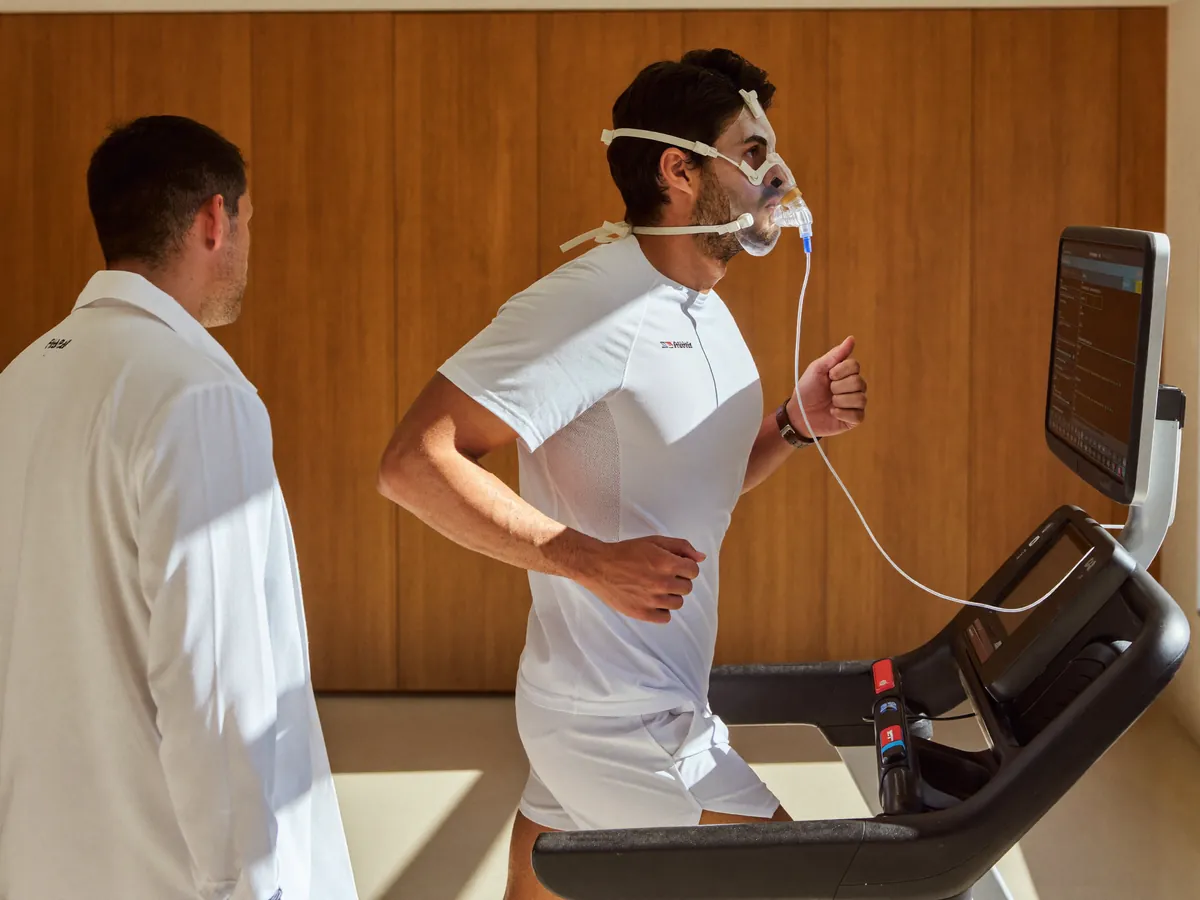
VO2 Max Testing as a Revenue Line: Equipment, Protocols and Pricing
VO2 max went from lab curiosity to the number longevity clients ask for by name. Here is the equipment, the test protocols, what Indonesian facilities charge per test, and the payback math from real installations.

Business · 6 min read
The Wellness Retreat Business Model, Rebuilt for Indonesia in 2026
Retreats fail on romance and succeed on program margin. Revenue anatomy, unit economics for a 12-villa Ubud property, and the diagnostic equipment stacks that lift rebooking from 18% to 40%+.