Trends · · 6 min read
Inside the Jakarta Wellness Market: Demand, Prices and Equipment
Updated August 12, 2026 · by the WellnessEquip Indonesia supply desk
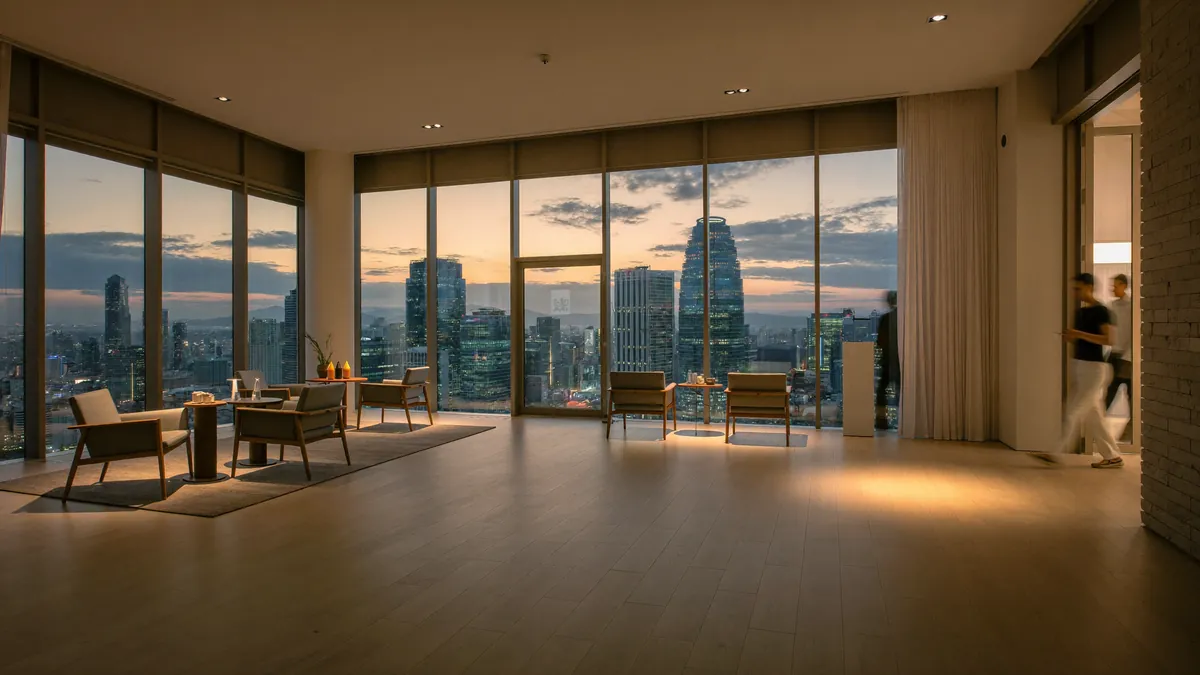
For years Bali dominated our delivery schedule, but since mid-2024 the fastest-growing line in our books is Jakarta. The wellness market in Jakarta runs on different fuel than the island — corporate budgets, executive health anxiety and a middle class numbering in the tens of millions — and it buys different equipment. Over the past three years our supply desk has delivered 100+ equipment projects across Indonesia, and the Jakarta orders now arrive bigger and more clinical: point-of-care blood analyzers, arterial screening stations, full body composition suites. Here is what is driving demand in the capital, segment by segment, with the price points that actually clear.
Why Jakarta, why now
Greater Jakarta holds 30+ million people, the largest urban concentration in Southeast Asia. Four forces converged on wellness at the same time.
- The check-up habit came home. Executives who used to fly to Singapore or Penang for annual medicals now expect equivalent panels locally — at a third of the price and without two days of travel.
- Corporate wellness became a budget line. Multinationals and large Indonesian groups headquartered in SCBD and along Sudirman now contract screening days, gym benefits and stress-management programs for thousands of employees at a time.
- Premium fitness matured. Boutique studios in Kemang, Senopati and Pantai Indah Kapuk sell memberships at Rp 1.5–3 million per month and need data services to defend that pricing against mid-market chains.
- Traffic economics. When a crosstown drive costs two hours, near-office wellness stops being a luxury and becomes a productivity purchase that companies happily subsidize.
Segment 1: Executive health screening
Clinics in Menteng, SCBD and Kebayoran sell executive screening packages at Rp 3–15 million ($190–950) covering blood panels, cardiovascular assessment, body composition and a physician consult. The winning menu design delivers same-visit results: a handheld i-STAT 1 blood analyzer (~$18,000, cartridge-based) returns core chemistry in minutes instead of days, an Omron HBP-8000 professional blood pressure station (~$6,900) clears the vitals queue, and a research-grade analyzer from our body composition range anchors the metabolic module. A clinic running ten packages a day at the mid-tier Rp 6 million price grosses Rp 60 million daily; an equipment stack of $90,000–135,000 stops looking expensive at that volume. Package architecture is a craft of its own — sequencing, add-ons, corporate tiers — and we cover it in designing health screening packages.
Segment 2: Premium gyms and studios
Jakarta's boutique fitness scene competes on proof. Studios in Kemang and Senopati now bundle quarterly scans into memberships, and the hardware pays for itself through retention rather than per-scan fees: members who can see waist circumference and muscle mass trending refuse to cancel. A Styku S100 3D body scanner (~$37,500) gives every member a rotating avatar and millimeter-level measurements in 35 seconds, and assessment-based personal training built on that data sells at Rp 500,000–900,000 per session. The studios that publish member results — anonymized, aggregated — convert trial visitors at roughly double the rate of those that market on atmosphere alone. That pattern holds from Pantai Indah Kapuk family gyms to CrossFit-style boxes in South Jakarta.
Segment 3: Med-spa and aesthetics
Aesthetic clinics along Kemang, Senopati and PIK have learned the same lesson dermatology chains in Seoul learned a decade ago: imaging sells treatment plans. A clinical skin analysis at Rp 500,000–1,200,000 converts a walk-in consultation into a multi-visit program worth Rp 5–15 million, because the client sees UV damage and pore data they cannot see in a mirror. Skin imaging systems run $22,500–67,500 depending on brand and modality — browse the options in our skin analysis catalog. Utilization in Jakarta is the highest we see anywhere in Indonesia: some clinics log 25–40 imaging sessions a day across two devices.
Segment 4: Corporate wellness contracts
The largest single tickets in our Jakarta book are corporate. Screening days for 500–2,000 employees, permanent recovery corners inside office towers, executive HRV programs for leadership teams. Employers pay vendors Rp 150,000–400,000 per employee for on-site screening days, and vendors who own their equipment rather than renting it keep gross margins above 60%. Insurers are quietly fueling this: several now discount group premiums for companies that run verified annual screening. The full landscape — buyers, tenders, pricing — is in our article on corporate wellness in Indonesia.
The Jakarta market at a glance
| Segment | Typical buyer | Ticket size | Equipment budget | Payback |
|---|---|---|---|---|
| Executive screening | Clinics in Menteng, SCBD | Rp 3–15 million per package | $90,000–170,000 | 16–24 months |
| Premium fitness | Studios in Kemang, Senopati, PIK | Rp 1.5–3 million per month | $22,500–60,000 | 14–20 months |
| Med-spa | Aesthetic clinics | Rp 2–8 million per plan | $22,500–67,500 | 14–20 months |
| Corporate wellness | HR departments, vendors | Rp 150,000–400,000 per employee | $60,000–150,000 | 12–20 months |
Equipment budgets in the table are indicative landed figures — the final price of any configuration is confirmed by a supply manager, since it moves with the exchange rate, the freight method and the delivery route. Sizing a Jakarta project? Send us your segment and floor plan and we will return a costed configuration within two business days — talk to a supply manager on WhatsApp.
A worked example: one screening floor in SCBD
To make the economics concrete, here is the model we build with clients, using conservative Jakarta numbers. Assume a 120 square meter floor running an executive line: reception, two consult rooms, one testing room. Equipment lands at $130,000 — blood analysis, blood pressure station, body composition, vitals — staffed by two nurses and a physician on rotation. At eight packages a day across 22 working days and an average ticket of Rp 5.5 million, the floor grosses about Rp 968 million a month. Staff, rent in a B-grade SCBD building, consumables and marketing typically absorb 55–65% of that, leaving operating profit around Rp 350–430 million monthly, with corporate contracts smoothing demand across the calendar. Equipment payback arrives in month seven to ten — which is why screening floors are being added to existing clinics rather than launched as standalone startups: demand is proven, and the marginal cost of the second testing room is mostly hardware.
Jakarta versus Bali: what sells differently
The contrast with Bali is sharper than most investors expect. Bali buys experience hardware — recovery circuits, 3D scanners, biological age devices that photograph well and anchor a retreat story. Jakarta buys clinical throughput — blood analyzers, blood pressure stations, devices with per-test consumables and insurer-friendly reports. Bali pricing is per-session and tourist-denominated in dollars; Jakarta pricing is package-based and rupiah-denominated, with corporate invoices and 30-day terms. If you operate in both markets, plan two different equipment lists rather than copying one across — the overlap is smaller than it looks, usually just body composition and HRV.
Beyond the capital
The Jakarta playbook is spreading outward with a 12–18 month lag. Surabaya's private hospital corridor is adding executive screening floors; Bandung's fitness scene is following Kemang's assessment-led model at 20–30% lower price points; clinic groups in Medan are tendering for screening equipment; and Batam serves overflow demand from Singapore at regional prices. Secondary-city economics work because rents fall faster than service prices — a screening package that sells for Rp 6 million in SCBD still clears Rp 4 million in Surabaya. We deliver to all of these cities from the Jakarta warehouse; coverage details sit on the Jakarta location page and the Surabaya page.
What surprises first-time Jakarta buyers
Three things, consistently. First, AKL registration: medical-class devices need Ministry of Health registration before commercial use, which adds 6–12 weeks if the importer has not already secured it — we ship units with AKL in place wherever possible. Second, service contracts matter more than brochures: a blood analyzer without local consumable supply and a trained engineer is a paperweight within a year, so ask any supplier who services the device and where spare parts sit. Third, installation logistics: office-tower deliveries need freight elevator bookings and after-hours slots, which we schedule as standard for SCBD and Sudirman addresses. For the macro picture behind all four segments, see our overview of wellness industry trends 2026.
Jakarta's wellness market is compounding quarter over quarter, and the operators winning it are the ones with same-visit data services. If you are planning a clinic, studio or corporate wellness offer in the capital, message our supply desk on WhatsApp — we will send segment-specific equipment options with landed Jakarta pricing.
The WellnessEquip Indonesia supply desk sources, imports and installs wellness equipment across Indonesia. Questions about your project? Message a supply manager on WhatsApp — honest answers, no hard sell.
— FAQ
Frequently asked questions
How big is the wellness market in Jakarta?
Greater Jakarta's 30+ million residents support four fast-growing wellness segments: executive health screening, premium fitness, med-spa aesthetics and corporate wellness contracts. Executive packages alone sell at Rp 3–15 million each, and screening clinics in Menteng and SCBD are expanding capacity every quarter to keep up with demand.
What wellness equipment sells best in Jakarta?
Clinical throughput devices lead: point-of-care blood analyzers, professional blood pressure stations, body composition analyzers and 3D body scanners. Unlike Bali's experience-led market, Jakarta buyers prioritize same-visit results, per-test economics and reports that satisfy corporate clients and insurers.
How much does it cost to open a health screening clinic in Jakarta?
Equipment for a compact executive screening line runs $90,000–170,000 (roughly Rp 1.45–2.7 billion) covering blood analysis, cardiovascular assessment and body composition. With fit-out and licensing, total capex typically lands at two to three times the equipment budget, and clinics running ten packages a day reach equipment payback in 16–24 months.
Is corporate wellness growing in Indonesia?
Yes — it is the fastest-growing buyer category in our Jakarta order book. Employers pay Rp 150,000–400,000 per employee for on-site screening days, several insurers now discount group premiums for verified programs, and vendors who own their equipment keep gross margins above 60%.
— Keep reading
Related guides
Business · 6 min read
Corporate Wellness in Indonesia: Programs Companies Actually Pay For
Medical premiums in Indonesia are inflating 10–13% a year and HR budgets are responding. Four corporate wellness program models, the equipment behind them, and screening-day economics for providers.
Business · 6 min read
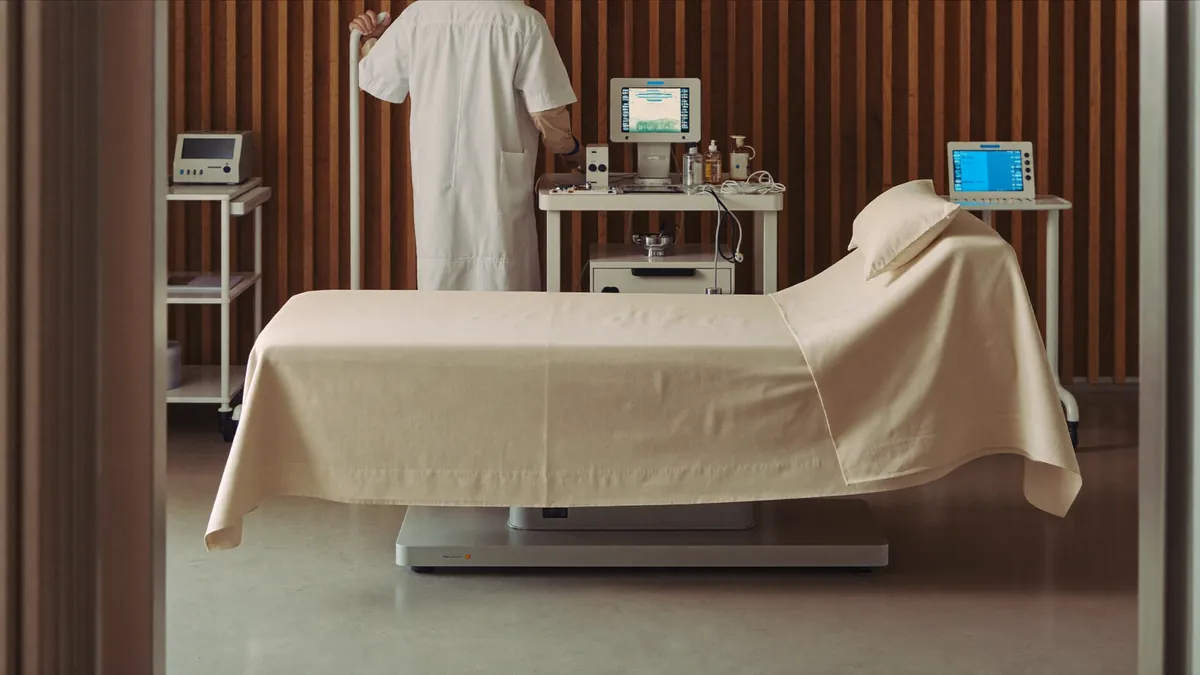
Designing Health Screening Packages That Sell: A Clinic Playbook
Indonesians spend an estimated $1.5–2 billion a year on medical care abroad, much of it on check-ups. A station-by-station guide to building screening packages that keep that revenue in your clinic.
Trends · 7 min read
Wellness Industry Trends 2026: The Equipment Behind the Boom
Five trends moving real money in 2026 — diagnostics-first wellness, longevity clinics, recovery infrastructure, wellness real estate and medical fitness — with entry budgets in USD and IDR, and why Bali and Jakarta lead the region.