Recovery · · 7 min read
Gym Recovery Equipment List: Compression, Percussion and Cold Plunge
Updated August 12, 2026 · by the WellnessEquip Indonesia supply desk
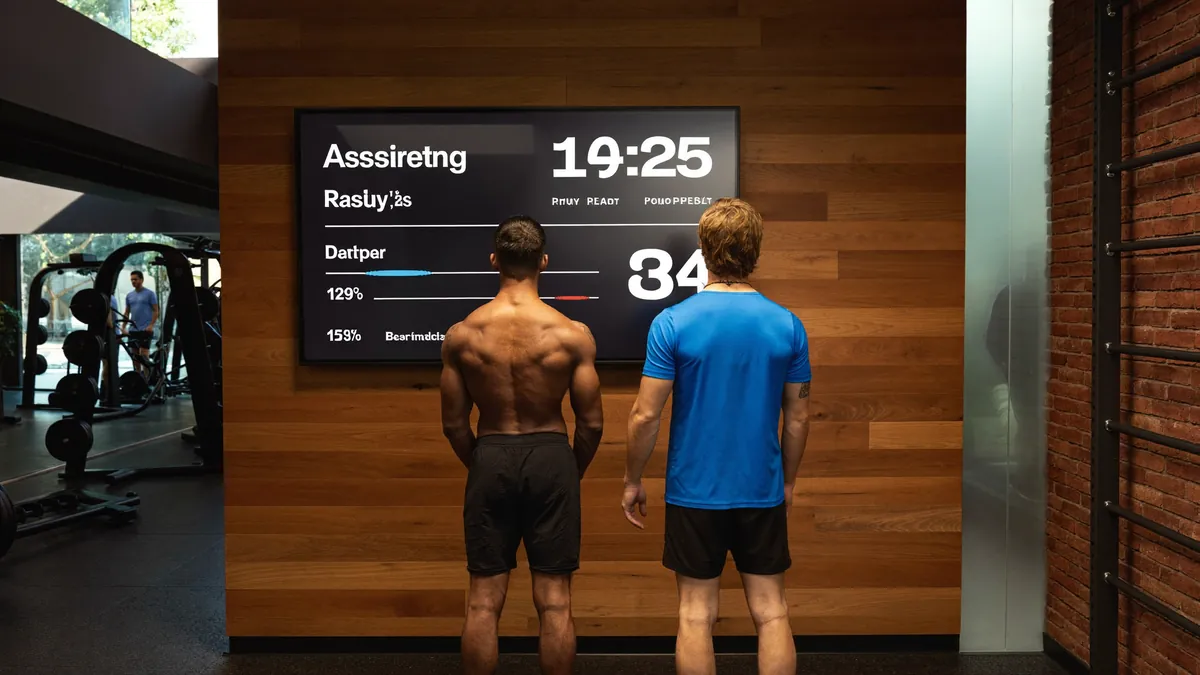
Which recovery equipment should a gym buy, and what does it cost? For most Indonesian gyms the answer is a compression station, commercial percussion guns and one cold or heat anchor — roughly $6,000–12,000 for a starter set and $18,000–35,000 for a standard one. The reason to buy is retention: the fitness industry quietly loses 40–50% of members a year, and members who use training plus recovery renew at noticeably higher rates and pay 20–40% more per month. Gyms adding recovery equipment have been a steady part of the 100+ equipment projects our supply desk has delivered over the past three years. Below is the equipment list by category with the brands we supply and indicative prices, followed by budget tiers, pricing and payback math. Floor layout and zone design are a job for your architect or fit-out team; this guide covers the hardware.
Why a recovery zone is a retention machine
Training is why members join; recovery is why they stay. A recovery zone gives your gym three things a new rack never will. First, a habit anchor: a member who books a plunge after every Tuesday and Friday session has a routine your competitor cannot casually replace. Second, a second revenue line on the same rent: the space earns through add-on memberships and day passes without a single extra therapist or coach hour. Third, positioning: “training plus recovery plus measurement” reads as a performance facility, not a room of machines — the same shift driving the medical fitness trend across Asia. The Global Wellness Institute's numbers frame the demand side: a $6.3 trillion wellness economy growing around 8% a year, with recovery among its fastest-moving segments — and Indonesian urban members are fully inside that curve.
The gym recovery equipment list by category
| Category | Models we supply | Indicative landed price | What it does for members |
|---|---|---|---|
| Compression boots | Normatec 3 (legs & hips), Reboots Go X, Normatec Go calf wraps | ~$2,700 (Lower Body set), ~$3,700, ~$1,000 | Post-session leg recovery in a lounge chair; the most-booked station in most zones |
| Percussion | Theragun PRO (Gen 5); TheraFace PRO for facial menus | ~$1,300; ~$1,000 | Self-serve warm-up and soreness relief; commercial duty outlives consumer guns |
| Cold plunge | Plunge Evolve XL, Plunge All-In, Sun Home Cold Plunge Pro, Ice Barrel 500 | ~$21,000, ~$23,000, ~$22,000, ~$4,100 (chiller optional) | The habit anchor members book after every session |
| Infrared heat | Sun Home Equinox, Clearlight Sanctuary 2, Sunlighten mPulse, HigherDOSE sauna blanket | ~$16,000, ~$20,500, ~$24,500, ~$1,700 | Heat side of a contrast routine; the blanket is the entry-level option |
| Red light | PlatinumLED BioMax 600, Mito MitoPRO 1500+, Joovv Solo 3.0 | ~$2,500, ~$3,000, ~$4,000 | A light station inside a standard tier, low running cost |
| Measurement corner | ACCUNIQ BC730, Styku S100, Firstbeat Life | ~$22,500, ~$37,500, ~$11,500 / year | Progress data that sells the recovery add-on and PT packages |
The ~ figures are indicative landed prices from each product page; the final quote moves with the exchange rate, the freight method and the delivery route. As a rule of thumb a starter set fits a corner of about 15 m² and a standard zone 30–40 m² — agree the layout with your fit-out team before the equipment order. Every model above is in the compression and recovery catalog or its neighbouring categories, and the whole range is priced side by side in our wellness equipment price list.
Equipment tiers and what they cost
| Tier | Typical contents | Budget (USD) | Budget (IDR) |
|---|---|---|---|
| Starter | Commercial cold plunge with tropical-rated chiller, 2-person infrared sauna, percussion guns, mats | $6,000–12,000 | Rp 95–190 million |
| Standard | Plunge + 4–6 person Finnish sauna, 2 compression stations, red light panel, mobility tools | $18,000–35,000 | Rp 290–560 million |
| Premium | Contrast circuit + full measurement corner (body composition, 3D scan, HRV) | $85,000–170,000 | Rp 1.35–2.7 billion |
Where the tiers include measurement devices, treat the figures as indicative: the final equipment price is confirmed by our supply manager, since it moves with the exchange rate, the freight method and the delivery route.
Tropical spec notes apply here exactly as in standalone studios: chillers at one horsepower per 400–500 liters to hold 6–10°C in Indonesian ambient, sauna timber that tolerates humidity, and RCD/GFCI protection on every circuit near water. The full cold-side economics — including why a chiller beats bagged ice past 8–10 sessions a week — are in our ice bath business guide.
Compression is the category where branded gear is now the default ask, and the pricing history explains the sticker shock some owners remember: for years Normatec boots reached Jakarta gyms only as gray imports at roughly 2.5 times US retail, whereas we now stock the Normatec 3 officially at ~$2,700 per station — the full lineup is in our compression recovery catalog. For the standard tier's light station, the BioMax 600 red light panel (~$2,500) is the unit we install most.
Pricing and packaging that works in Indonesia
- Recovery add-on membership: Rp 300,000–500,000 ($19–31) per month on top of base membership for unlimited zone access. This is the workhorse — simple to sell at the front desk and sticky once habitual.
- Day passes for members: Rp 75,000–150,000 per visit for occasional users; price it so the add-on wins at twice-weekly usage.
- Non-member recovery passes: Rp 150,000–250,000 — runners, surfers and office athletes who will never buy your training product but will buy your plunge.
- PT integration: coaches close packages with a recovery session included; our client gyms report noticeably higher PT renewal when recovery is bundled.
- Corporate packages: companies in Surabaya and Jakarta buy monthly recovery blocks for staff — worth a dedicated pitch deck.
The worked example: 800-member gym
Assume an 800-member gym adds a 30–40 m² standard-tier zone at Rp 400 million. A 10% add-on attach — 80 members at Rp 350,000 — yields Rp 28 million a month. Add day passes and non-member traffic at a conservative Rp 8–12 million, and assessment packages from the measurement corner at Rp 6–10 million. Gross: roughly Rp 42–50 million ($2,600–3,100) a month. Operating cost — energy for chiller and sauna, water, consumables, a share of an existing attendant's shift — runs Rp 8–12 million. Net contribution near Rp 32–38 million a month puts payback at 11–13 months, after which the zone quietly out-earns most of your cardio floor per square meter, while doing its real job: cutting churn.
Want this math run on your member count? Message a supply manager on WhatsApp — send member numbers and available floor area, and we will return a tiered plan with landed pricing, free.
The measurement corner sells the whole zone
Recovery feels good; measured recovery renews memberships. The trio we install most in gyms: an InBody 970 body composition analyzer for onboarding scans and quarterly re-tests, a Styku S100 3D body scanner whose visual progress avatars sell transformation packages better than any poster (full breakdown in our guide to 3D body scanning for gyms), and Firstbeat Life HRV monitoring so coaches can program hard days and recovery days from data instead of vibes — wired into member apps the way we map out in our wellness app data integration guide. Priced as assessment packages at Rp 250,000–750,000, the corner typically covers its own capex within 18–30 months — browse the body composition analyzer category for options by budget.
What to buy from a supplier and what to source locally
Not every rupiah belongs with an equipment supplier. Rubber flooring, mirrors, mobility rigs, mats and foam rollers are fine to buy locally in Denpasar or Jakarta, and a shared calendar plus a WhatsApp group is enough booking software for the first quarter. Buy from a supplier with a warranty and an Indonesian service agent where downtime costs revenue:
- chiller-driven plunges that must hold single digits in 31°C ambient — consumer aquarium chillers fail mid-season;
- compression systems and percussion guns rated for shared, all-day use;
- anything electrical near water, which also needs RCD/GFCI protection and a licensed electrician;
- measurement devices whose reports your coaches will sell programs on.
Not sure which side your gym is on? Send photos of your floor and your member numbers on WhatsApp — if the honest answer is “your current corner is fine for another year”, that is what we will say.
Where to start
Start with the 15 m² corner and a starter tier, price the add-on at Rp 300,000–350,000, and let the attach rate tell you when to expand. WellnessEquip Indonesia sources plunges, chillers, saunas, compression and the full measurement stack from the USA, Korea, Finland and vetted OEM partners, handles import, and delivers door-to-door from our Denpasar and Jakarta warehouses — delivery windows confirmed with your quote across Bali (see wellness equipment delivery in Denpasar) and scheduled freight to Surabaya, Bandung and beyond. Talk to a supply manager on WhatsApp and get a zone plan matched to your floor and your member base.
Disclaimer: this article is provided for informational purposes only and is not engineering, medical or legal advice. WellnessEquip Indonesia accepts no liability for injury, damage or losses arising from self-built or self-modified recovery installations. Always use licensed professionals for electrical, structural and plumbing work.
The WellnessEquip Indonesia supply desk sources, imports and installs wellness equipment across Indonesia. Questions about your project? Message a supply manager on WhatsApp — honest answers, no hard sell.
— FAQ
Frequently asked questions
What equipment does a gym recovery zone need?
A compression station (Normatec 3 or Reboots Go X), commercial percussion guns such as the Theragun PRO, one cold or heat anchor — a chiller-driven plunge or an infrared cabin — and, for retention, a measurement corner with body composition and 3D scanning.
How much does a gym recovery zone cost in Indonesia?
Starter setups run $6,000–12,000 (Rp 95–190 million), a standard zone with Finnish sauna and compression runs $18,000–35,000 (Rp 290–560 million), and premium contrast-plus-measurement suites reach $85,000–170,000. Landed, installed pricing from Denpasar or Jakarta warehouses on a schedule confirmed with your quote across Bali.
How do gyms make money from a recovery zone?
The workhorse is a recovery add-on membership at Rp 300,000–500,000 per month, plus member day passes, non-member recovery passes, PT bundles and corporate blocks. An 800-member gym with a 10% attach rate typically nets Rp 32–38 million a month, paying back a standard build in 11–13 months.
Which recovery equipment can a gym source locally?
Flooring, mats, foam rollers, mirrors and simple partitions are fine to buy locally. Chiller-driven plunges, compression systems and anything electrical near water should come with a warranty and an Indonesian service agent — failures there cost more than the savings.
— Keep reading
Related guides
Recovery · 7 min read
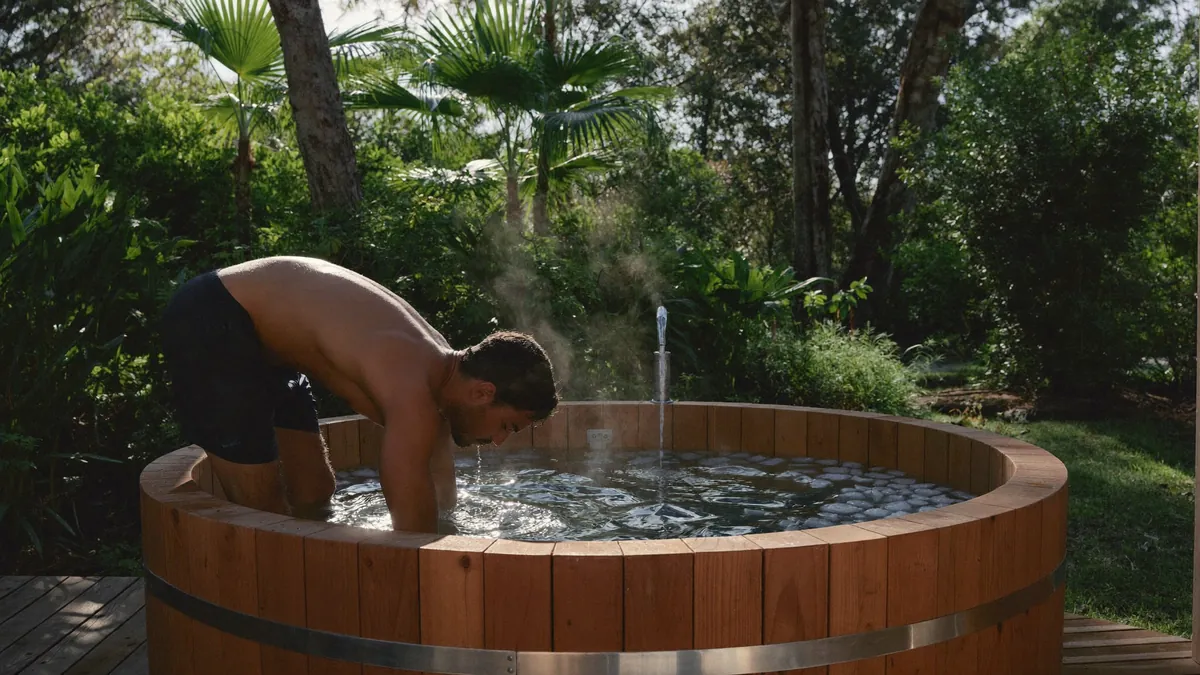
How to Build a Profitable Ice Bath Business in Indonesia
Real numbers from equipping 25+ recovery studios across Bali and Jakarta: equipment tiers, session pricing, sanitation, ROI math — plus an honest DIY section for owners on a budget.
Buyer Guides · 6 min read
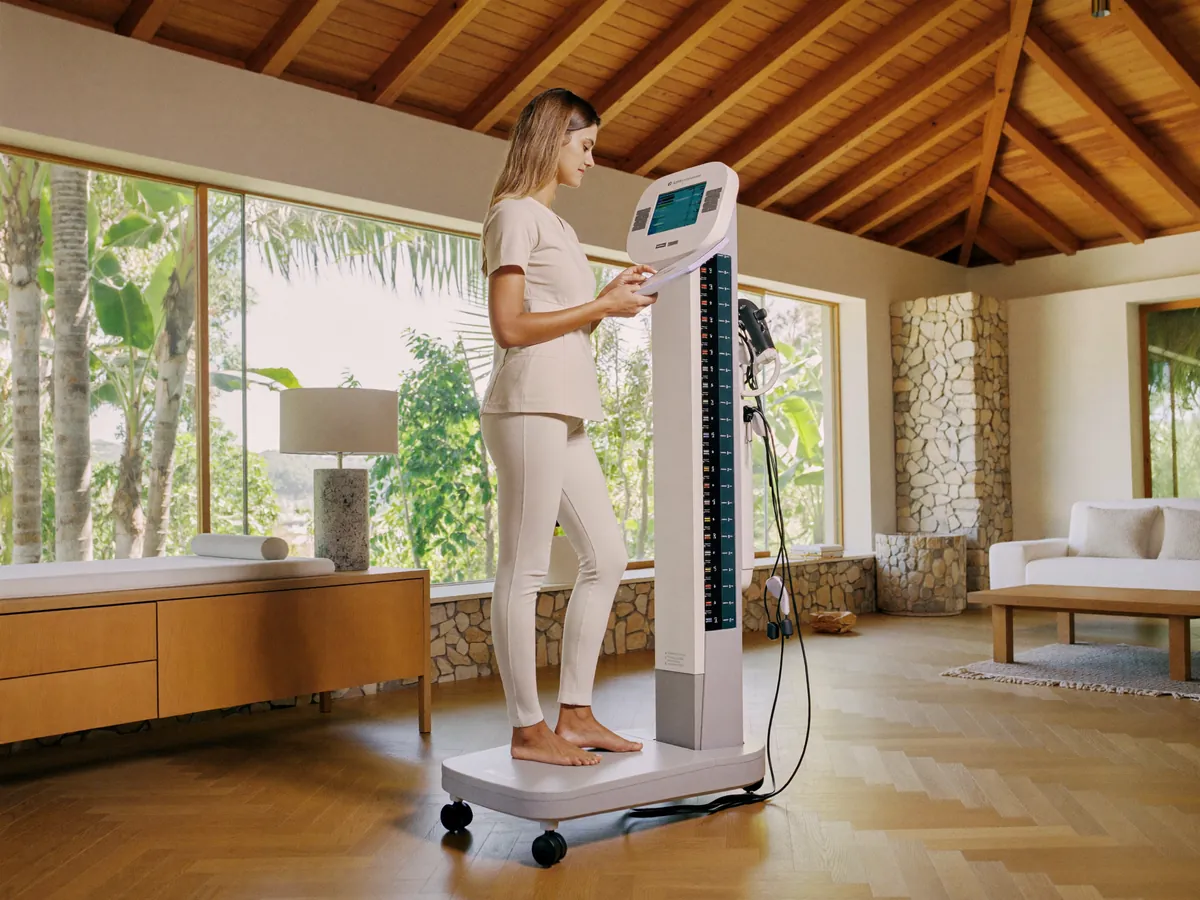
3D Body Scanning for Gyms and Studios: Which Scanner to Buy
Members quit when they cannot see progress. We compare Fit3D, Styku, Formetric 4D and Kinetisense — scanning tech, accuracy, USD/IDR pricing and the retention math from gyms we have equipped across Indonesia.
Trends · 6 min read
The Medical Fitness Trend: Turning Gyms Into Health Providers
Gyms are adding clinical-grade testing and clinics are adding supervised training — and both are buying the same equipment. What medical fitness means, why Indonesia is ready, the service stack with real IDR pricing, and a 90-day rollout plan.