Trends · · 6 min read
The Longevity Medicine Trend: How Living Longer Became a Business
Updated August 12, 2026 · by the WellnessEquip Indonesia supply desk
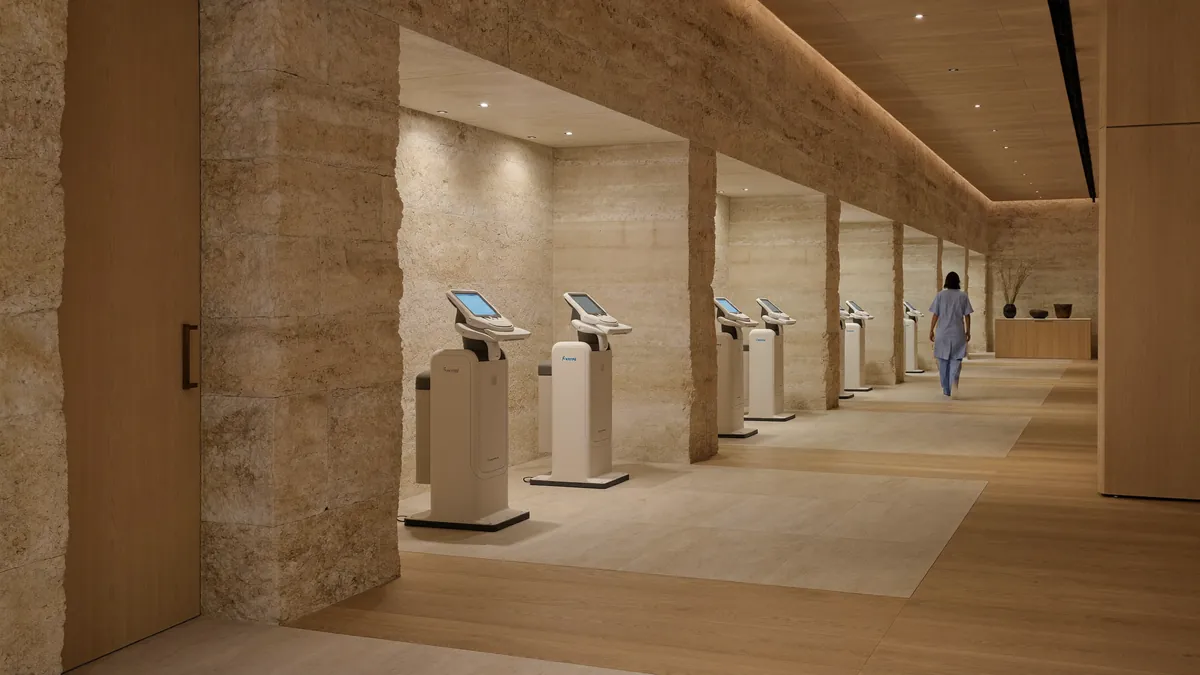
Three years ago our biggest deliveries to Bali were spa tables and treatment chairs. Today the same buyers order biological age scanners, arterial stiffness stations and oxidative stress analyzers. That shift in our own manifests is the longevity medicine trend in one sentence: wellness stopped promising relaxation and started promising measurable years. Our supply desk has now equipped longevity programs from Ubud retreat wings to Menteng internist practices, so this article covers the trend the way we brief clients — what longevity medicine is, what it measures, what the equipment costs at three budget tiers, and where the Indonesian market is heading in 2026.
What longevity medicine actually is
Strip away the marketing and longevity medicine is a loop: measure, intervene, re-measure. Instead of waiting for disease, a longevity practice establishes a client's baseline across a panel of aging markers, prescribes lifestyle, nutrition and supervised-exercise interventions, then re-tests on a fixed cadence — usually every 90 days — to prove movement. The product is not a treatment; the product is the delta between two test dates. That is why longevity clinics are equipment businesses at their core: without credible measurement hardware there is nothing to sell but promises, and the modern client has stopped buying promises.
It is also worth naming what longevity medicine is not. It is not a cure for aging, it is not injectable immortality, and a responsible operator makes no disease-treatment claims. What the field does have is a solid evidence base connecting specific markers — VO2 max, arterial stiffness, glycation, body composition — to long-term health outcomes, and a client base willing to pay to track them.
From Blue Zones to clinics
The cultural story started with the Blue Zones — Okinawa, Sardinia, Ikaria, Nicoya, Loma Linda — regions studied for unusual concentrations of healthy 90-year-olds. The Blue Zones lesson was population-level: movement, diet, community. The 2020s turned that observation into a service industry. Dedicated longevity clinics multiplied from Switzerland and California across Dubai and Singapore, and the Global Wellness Institute now tracks healthy-aging spending in the hundreds of billions of dollars within its $6.3 trillion wellness economy figure.
Indonesia entered the story from the tourism side. Bali already attracts millions of visitors predisposed to spend on wellness, and retreats in Ubud discovered that adding measurement transformed their economics: a yoga week is a commodity, but a yoga week that provably lowered your biological age markers is a program clients rebook annually. Meanwhile Sanur's health special economic zone is pulling clinical-grade medicine into a tourism district, and Jakarta's executive class supplies year-round domestic demand. We map the wider market forces in wellness industry trends 2026.
What a longevity clinic measures
Across the programs we have equipped, the testing menu converges on six pillars.
- Biological age. Skin autofluorescence devices estimate accumulated advanced glycation end products — a validated aging marker — in about 12 seconds, no blood draw required.
- Oxidative stress. Free-radical and antioxidant-capacity panels quantify cellular stress load and respond visibly to lifestyle change within weeks.
- Arterial health. Pulse wave velocity and central blood pressure track vascular aging — among the best-studied predictors of cardiovascular events.
- Cardiorespiratory fitness. VO2 max is one of the strongest known predictors of all-cause mortality, which makes a metabolic cart core longevity hardware, not gym equipment.
- Body composition. Muscle mass and visceral fat are modifiable aging levers; research-grade analyzers make them trackable to the hundred grams.
- Autonomic balance. HRV assessment captures stress physiology and recovery capacity between visits.
The equipment stack at three budgets
Here is how we actually spec longevity programs, using landed Indonesia pricing from our 2024–2026 orders.
| Tier | Core devices | Budget (USD) | Budget (IDR) | Fits |
|---|---|---|---|---|
| Starter | Biological age scanner, HRV device, body composition analyzer | $75,000–90,000 | Rp 1.2–1.45 billion | Retreat wing, gym upgrade |
| Standard | Starter tier plus oxidative stress analyzer and arterial stiffness station | $120,000–160,000 | Rp 1.9–2.6 billion | Dedicated longevity studio |
| Flagship | Standard tier plus metabolic cart, 3D scanner, point-of-care blood analysis | $250,000–330,000 | Rp 4–5.3 billion | Full clinic, medical resort |
The anchor of the starter tier is the AGE Reader mu biological age scanner at ~$45,000 — a 12-second, non-invasive reading that gives clients the one number they will screenshot and share. The standard tier adds a FRAS 5 oxidative stress analyzer (quoted on request through our supply desk) and a SphygmoCor XCEL arterial stiffness system (~$37,500), which together turn a wellness menu into something an internist will endorse. Every device in these tiers, plus alternatives at each price point, sits in our longevity biomarker equipment catalog. Treat the ~ numbers as indicative: the final price of each device is confirmed by a supply manager, since it moves with the exchange rate, the freight method and the delivery route.
Want the spreadsheet behind these tiers? We will send configuration options and payback models for your floor plan — talk to a supply manager on WhatsApp.
Who is opening longevity practices in Indonesia
Four buyer patterns dominate our current order book. Retreats in Ubud are adding longevity wings to existing properties, typically at the starter tier, to lift package prices by 30–50%. Biohacking studios in Canggu are bolting biological age and HRV testing onto recovery circuits — their young clientele re-tests obsessively. Established internist and cardiology practices in Jakarta's Menteng and SCBD are rebranding preventive check-ups as longevity programs at the standard tier. And investor groups are speccing flagship builds around Sanur and Uluwatu aimed at medical tourists who currently fly to Bangkok or Singapore for the same panels. If you are planning a ground-up build, our step-by-step guide to opening a longevity clinic in Bali covers licensing, staffing and budget in detail.
The business model in numbers
A longevity assessment in Indonesia currently retails at Rp 1.5–3 million ($95–190) for a 60–90 minute baseline across four to six devices. Annual memberships bundling quarterly re-tests plus coaching sell at Rp 15–40 million, and high-touch executive programs in Jakarta clear well above that. The economics work because marginal cost per test is minimal: consumables for most of the stack are near zero, so gross margin on testing runs 80%+ once staff are trained. A standard-tier clinic doing eight assessments a day at Rp 2 million average grosses around Rp 480 million a month on testing alone — before coaching, supplements or programs. Payback on the equipment typically lands at 18–30 months, faster where tourist traffic tops up domestic demand.
Why 2026 is the tipping point
Three curves crossed. Device access widened — a credible starter stack is now a single financeable order rather than a hospital-grade procurement project. Consumer literacy exploded — clients arrive already knowing their wearable data and asking for VO2 max by name. And the weight-loss drug era normalized paying for measurable biological outcomes, pulling metabolic testing into everyday conversation. Clinics that establish their testing reputation in 2026 will own their local market before the copycats arrive.
Regional competition sharpens the timing. Bangkok and Singapore already run mature longevity clusters at two to three times Indonesian prices, which hands Bali and Jakarta a genuine cost advantage precisely when clients began comparing options across borders. We expect the window for easy differentiation to close within 18–24 months, after which testing menus become table stakes and brands will compete on interpretation and coaching instead.
Honest cautions before you buy
We tell every buyer the same three things. First, sell measurement and coaching, never disease claims — keep marketing inside wellness boundaries and refer clinical findings to physicians. Second, plan for AKL: several devices in the standard and flagship tiers are medical-class and need Ministry of Health registration, which we arrange, but it adds lead time. Third, budget for interpretation: data without a trained practitioner reading it is noise, so put one experienced clinician or exercise physiologist in the plan before the second device. Related reading: the preventive health check-up market in Asia shows where longevity demand comes from, and the biohacking studio equipment list covers the consumer-grade end of the same spectrum.
Longevity medicine rewards early, credible movers — and credibility starts with the right measurement stack. Tell us your concept, space and budget tier, and message our supply desk on WhatsApp — we will respond with a costed stack, AKL status per device and delivery timelines anywhere in Indonesia — with fast-moving units held at our Bali warehouse in Denpasar for priority island delivery, and Jakarta stock covering everywhere from Bandung to Medan.
The WellnessEquip Indonesia supply desk sources, imports and installs wellness equipment across Indonesia. Questions about your project? Message a supply manager on WhatsApp — honest answers, no hard sell.
— FAQ
Frequently asked questions
What is longevity medicine?
Longevity medicine is preventive practice built on a measure-intervene-re-measure loop: establish a client's baseline across validated aging markers such as biological age, VO2 max, arterial stiffness and body composition, apply lifestyle and exercise interventions, then re-test on a fixed cadence to demonstrate progress. The product is measurable improvement, not treatment of disease.
What equipment does a longevity clinic need?
A credible starter stack is a biological age scanner, an HRV device and a body composition analyzer at roughly $75,000–90,000 landed in Indonesia. Standard builds add oxidative stress and arterial stiffness testing at $120,000–160,000, and flagship clinics with metabolic carts and point-of-care blood analysis reach $250,000–330,000.
How profitable is a longevity clinic in Indonesia?
Assessments retail at Rp 1.5–3 million with 80%+ gross margins because consumable costs are minimal. Annual memberships run Rp 15–40 million, and a standard-tier clinic doing eight assessments a day grosses roughly Rp 480 million monthly on testing alone, putting equipment payback at 18–30 months in our client base.
Is biological age testing legitimate?
Devices measuring skin autofluorescence estimate accumulated advanced glycation end products, a marker validated in large cohort studies and linked to cardiovascular and metabolic risk. It is a credible trend indicator rather than a diagnosis — responsible clinics present it alongside fitness, vascular and body composition data, and refer clinical findings to physicians.
— Keep reading
Related guides
Business · 6 min read
How to Open a Longevity Clinic in Bali: Licenses, Budget, Equipment
Legal structure, clinic licensing, AKL device registration, three equipment budget tiers and honest payback math — everything we tell founders who want to open a longevity clinic in Bali.
Buyer Guides · 7 min read
The Complete Biohacking Studio Equipment List (With Real Budgets)
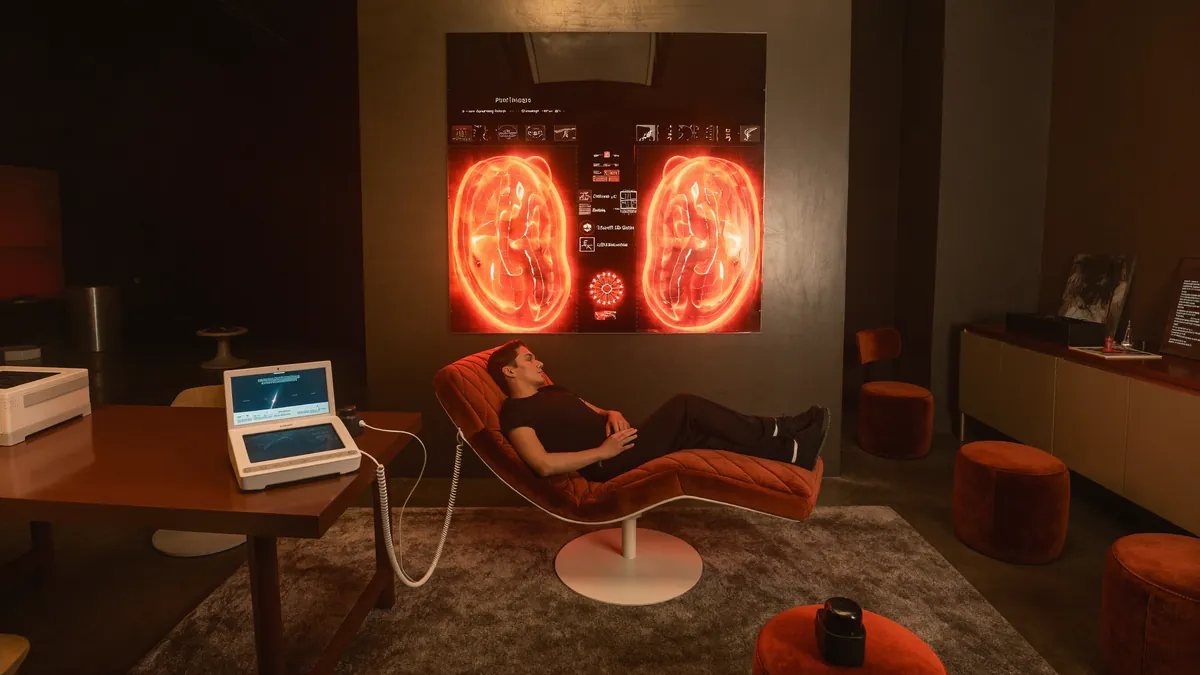
Three budget tiers — $100k starter, $320k growth, $700k flagship — with the exact assessment, recovery and brain-performance equipment behind the biohacking studios we have fitted out in Canggu, Seminyak and Jakarta.
Trends · 6 min read
Preventive Health Checkup Market: Asia's Boom, Indonesia Next
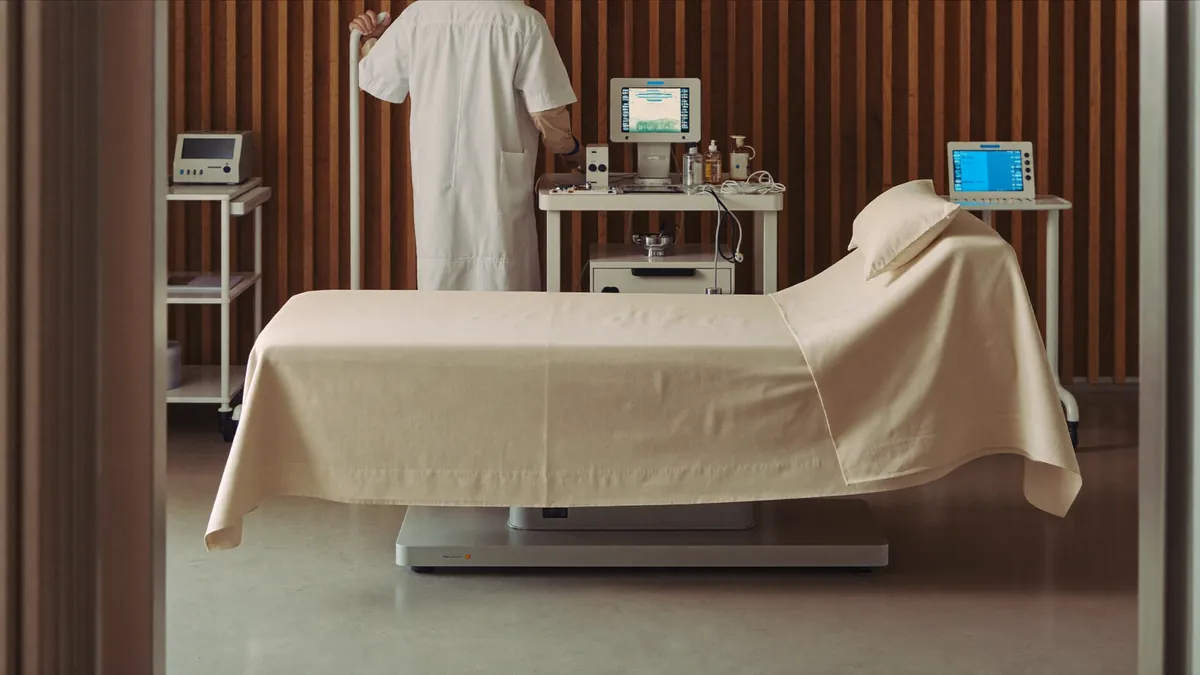
Asia's preventive health checkup market is heading past $100 billion, and Indonesia is its most under-served corner. The market numbers, the equipment stack of a modern screening centre, and package pricing that works in 2026.