Trends · · 6 min read
Preventive Health Checkup Market: Asia's Boom, Indonesia Next
Updated August 12, 2026 · by the WellnessEquip Indonesia supply desk
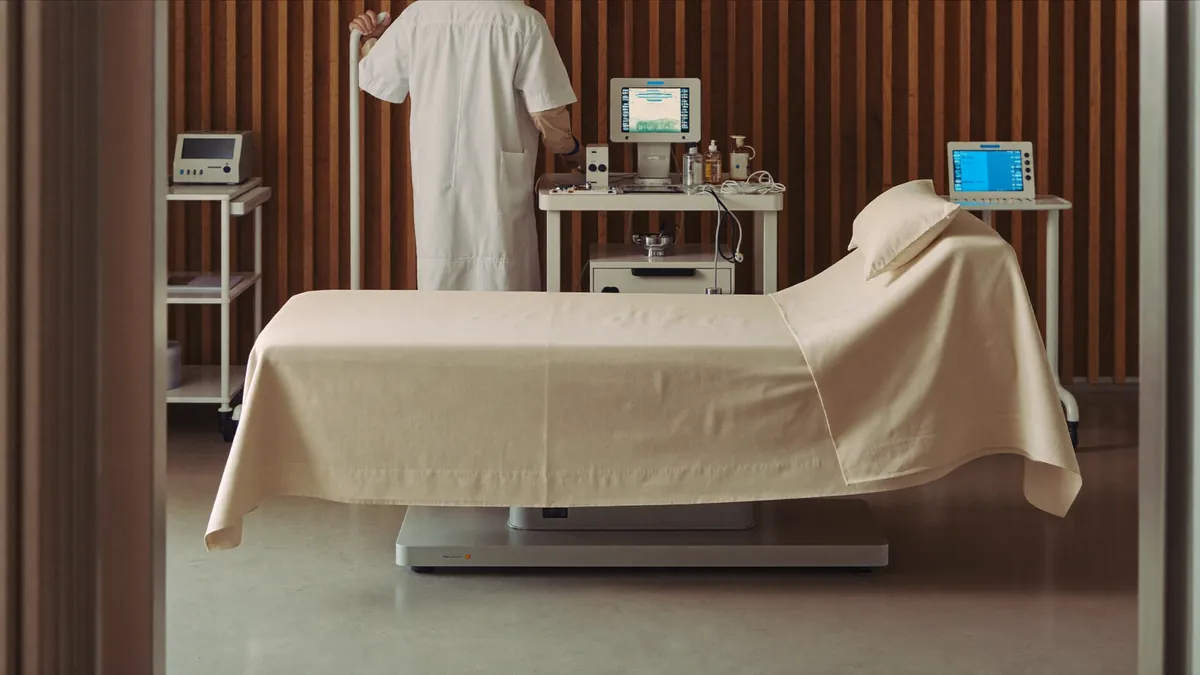
When our supply desk opened, eight of every ten inquiries came from spas and beauty clinics. By mid-2026 the mix has flipped: preventive health screening — executive check-ups, longevity panels, corporate medical check-up (MCU) contracts — now generates the largest share of quote requests we handle from our Jakarta and Denpasar warehouses. That shift is not an Indonesian quirk. It mirrors what analysts have tracked across Asia for a decade, and it is creating one of the clearest equipment-driven business opportunities we have seen. Here is the market in numbers, and what it actually takes to enter it.
The market in numbers: Asia's preventive turn
The Global Wellness Institute values the global wellness economy at roughly $6.3 trillion (2023), growing near 8% a year, with preventive and personalised health among its fastest-moving segments. Industry analysts put the Asia-Pacific preventive healthcare market above $60 billion and heading toward $100 billion by 2030, pushed by ageing populations, rising chronic disease and a middle class that increasingly pays out of pocket for early answers rather than late treatment.
Asia also supplies the templates. Japan normalised the annual “ningen dock” full-body check-up decades ago. South Korea's screening centres process white-collar workers with production-line efficiency. Bangkok, Penang and Singapore built entire medical-tourism economies with the executive check-up as the entry product. The check-up is the gateway purchase of modern healthcare: low risk, fixed price, results the same day — and it converts into treatment plans, coaching and annual memberships.
Why Indonesia is the market to watch
- 270+ million people, thin screening coverage. Private preventive capacity is concentrated in a handful of hospital MCU wings in Jakarta and Surabaya, while demand is growing in every second-tier city — Bandung, Medan, Yogyakarta, Batam.
- Outbound medical spending. Kemenkes officials have repeatedly cited around two million Indonesians travelling abroad for care each year, spending an estimated $11 billion and more — and a large share of those journeys begin with a check-up in Penang or Singapore that could have been delivered at home.
- Government tailwind. The national free health screening program launched in 2025 is teaching tens of millions of Indonesians the habit of an annual check — and the premium tier of that new habit lands in private clinics.
- Corporate demand. Annual MCU packages are effectively contractual obligations for many employers; HR departments in Jakarta SCBD sign screening contracts covering hundreds of employees at a time.
- Wellness tourism. Bali's recovery past six million foreign arrivals, plus the Sanur health special economic zone, is pulling screening demand into resort settings from Nusa Dua to Ubud.
The equipment stack of a modern screening centre
A competitive 2026 check-up product is built on speed: results during the visit, not two weeks later by email. Four equipment blocks do the work.
Point-of-care laboratory
Bench-top and handheld analyzers return core panels in minutes: the i-STAT 1 handheld blood analyzer for electrolytes and blood gases, the Piccolo Xpress chemistry analyzer for a 14-test metabolic panel from a few drops of whole blood, and the Afinion 2 analyzer for HbA1c and lipid panels in about three minutes. Compare the options in our point-of-care testing catalog.
Cardiovascular risk
A blood-pressure cuff alone is 1990s screening. The SphygmoCor XCEL arterial stiffness system measures central aortic pressure, while the VaSera VS-2000 adds CAVI-based vascular age — a number patients actually remember and retell.
Body composition and metabolism
An InBody 970 makes obesity, sarcopenia and visceral fat visible in 90 seconds and gives the follow-up consultation its visuals.
Longevity differentiators
Biological-age devices such as the AGE Reader mu separate a premium longevity panel from a commodity MCU — a two-minute, non-invasive measurement with a story clients repeat at dinner.
| Package tier | Typical contents | Typical retail (Jakarta/Bali) |
|---|---|---|
| Essential | POCT blood panel, blood pressure, body composition, physician review | Rp 1.5–2.5 juta |
| Executive | Essential plus arterial stiffness, ECG, extended chemistry, written report and consult | Rp 6–9 juta |
| Longevity | Executive plus biological age, VO2 or metabolic testing, advanced biomarkers, follow-up plan | Rp 15–25 juta |
Talk to a supply manager on WhatsApp — we will map a screening equipment stack to your budget tier and send a DDP quote with training included.
Four business models we are equipping right now
- Hospital MCU upgrade. Existing wings in Surabaya and Medan are modernising from queue-based basic checks to appointment-based premium screening; typical equipment budgets run $120,000–300,000.
- Standalone screening clinic. 150–300 m² in Jakarta — SCBD, Kemang, Menteng — or Denpasar; $180,000–500,000 all-in, with break-even commonly at 8–15 screenings a day.
- Resort and retreat screening. Wellness properties in Ubud and Nusa Dua are adding half-day “know your numbers” programs for guests; compact stacks cost $60,000–135,000 and share space with existing spa infrastructure.
- Corporate mobile screening. POCT-based teams serving Batam industrial estates and Jakarta office towers — the lightest entry point at $40,000–90,000 in equipment.
Budgets here are indicative landed figures — the final price of any stack is confirmed by a supply manager, since it moves with the exchange rate, the freight method and the delivery route.
Margins and pricing benchmarks
Consumables for a POCT-based executive panel run Rp 350–600 thousand per client. With packages retailing at Rp 6–9 juta, gross margin on the diagnostic block sits at 60–75% before physician fees. The real prize is lifetime value: annual re-screening, family packages and corporate contracts compound, which is why package architecture matters as much as hardware. We broke down the design side in designing executive health screening packages and the employer demand in corporate wellness programs in Indonesia.
Phase the investment: how smart operators sequence equipment
Almost nobody should buy the full stack on day one. The sequencing we recommend after equipping dozens of screening projects: phase one is the point-of-care lab plus body composition — roughly $65,000–105,000 (Rp 1.05–1.7 miliar) — because it powers a sellable Essential and Executive package immediately and generates cash while the team builds routine. Phase two adds the cardiovascular block once corporate contracts land, since HR buyers respond strongly to vascular-age reporting in proposals. Phase three brings the longevity differentiators when your client database is deep enough to sell annual memberships against it. Two cautions from the field. Used analyzers from overseas auctions look tempting at 40% off, but without Indonesian registration they cannot legally operate, and without service history they fail at the worst possible moment — a Yogyakarta buyer we later re-equipped learned both lessons on a single machine. On financing: 24–36 month equipment structures are increasingly available for established clinics, and preserving working capital for marketing in months one to six is usually worth more than the financing cost.
Barriers to plan for
Three things slow new entrants down. First, regulation: medical-class analyzers must carry a Kemenkes izin edar (AKL) before commercial use, and importing them requires a licensed distributor — plan procurement through a supplier who already holds the registrations, as we detail in importing wellness equipment to Indonesia. Second, clinical staffing: screening still needs SIP-licensed physicians and trained nurses, and the good ones in Bali get booked early. Third, follow-up workflow: a check-up business that does not systematically re-invite clients at 12 months is a one-off product, not a market position.
Our read for 2026–2027
Expect second-tier cities to open faster than Jakarta — Bandung and Yogyakarta screening clinics are quietly profitable because rents are lower and competition thinner. Expect resort-medical hybrids to multiply around the Sanur zone and across Bali. And expect corporate contracts to consolidate with providers who deliver same-day results on site. The operators winning all three waves share one trait: they own fast diagnostics rather than outsourcing them. If you are planning a facility in the capital, our wellness equipment in Jakarta page covers delivery and installation timelines; Bali projects ship from Denpasar stock on a confirmed schedule.
Planning a screening or check-up business this year? Message our supply desk on WhatsApp for tiered equipment packages — Essential, Executive and Longevity — priced DDP with AKL-compliant devices, installation and staff training.
The WellnessEquip Indonesia supply desk sources, imports and installs wellness equipment across Indonesia. Questions about your project? Message a supply manager on WhatsApp — honest answers, no hard sell.
— FAQ
Frequently asked questions
How big is the preventive health checkup market in Asia?
Industry analysts place the Asia-Pacific preventive healthcare market above $60 billion, on a path toward $100 billion by 2030. The Global Wellness Institute's broader wellness economy figure of roughly $6.3 trillion, growing near 8% a year, counts prevention and personalised health among its fastest segments. Japan, Korea, Thailand and Singapore set the template; Indonesia is the largest under-served population in the region.
How much does it cost to open a health screening clinic in Indonesia?
Equipment-wise, a corporate mobile screening unit starts around $40,000–90,000, a resort screening suite runs $60,000–135,000, and a standalone executive clinic typically lands at $180,000–500,000 all-in. Fit-out, licensing and staffing come on top. Break-even for standalone clinics usually arrives at 8–15 screenings a day.
Do screening devices need AKL registration in Indonesia?
Yes — blood analyzers, ECGs, arterial stiffness systems and other medical-class diagnostics need a Kemenkes izin edar (AKL) before commercial use, and only licensed distributors can register and import them. Buying from a supplier who already holds the AKL removes months of regulatory work and protects you during clinic accreditation.
Which Indonesian cities have the strongest demand for check-ups?
Jakarta leads on corporate MCU contracts and executive packages, with Surabaya, Bandung and Medan growing fast on thinner competition. Bali is the special case: resort-based screening for wellness tourists from Nusa Dua to Ubud, amplified by the Sanur health economic zone, creates demand no other region matches.
— Keep reading
Related guides
Business · 6 min read
Designing Health Screening Packages That Sell: A Clinic Playbook
Indonesians spend an estimated $1.5–2 billion a year on medical care abroad, much of it on check-ups. A station-by-station guide to building screening packages that keep that revenue in your clinic.
Business · 6 min read
Corporate Wellness in Indonesia: Programs Companies Actually Pay For
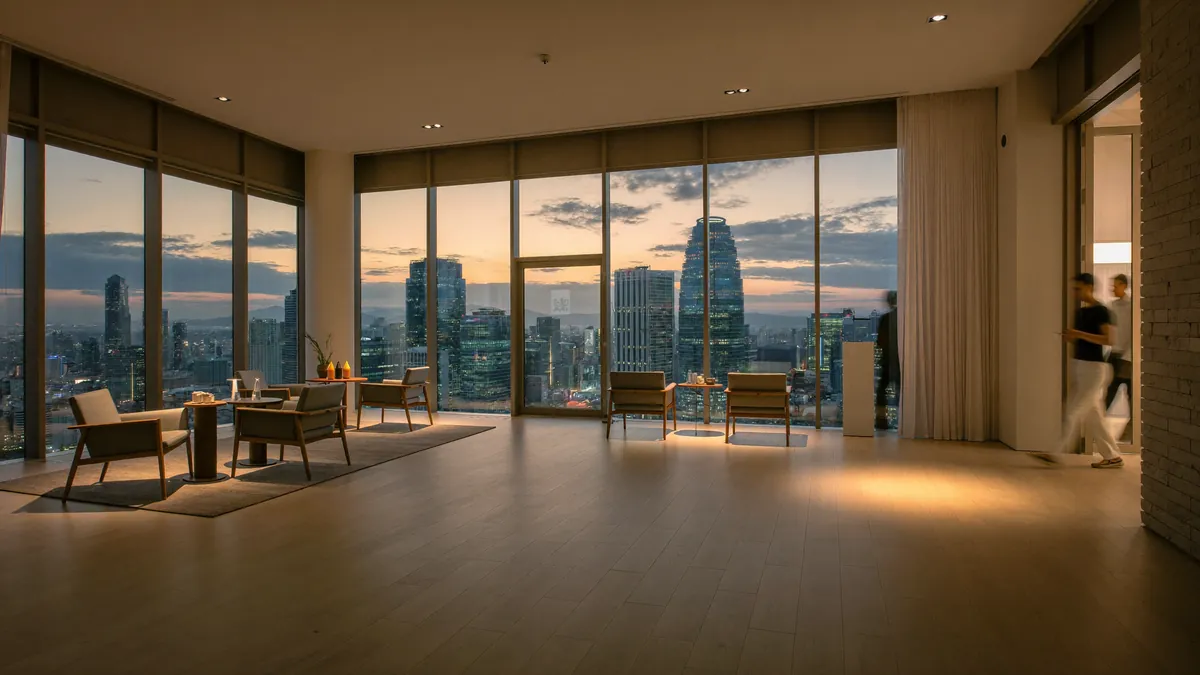
Medical premiums in Indonesia are inflating 10–13% a year and HR budgets are responding. Four corporate wellness program models, the equipment behind them, and screening-day economics for providers.
Trends · 6 min read
The Longevity Medicine Trend: How Living Longer Became a Business
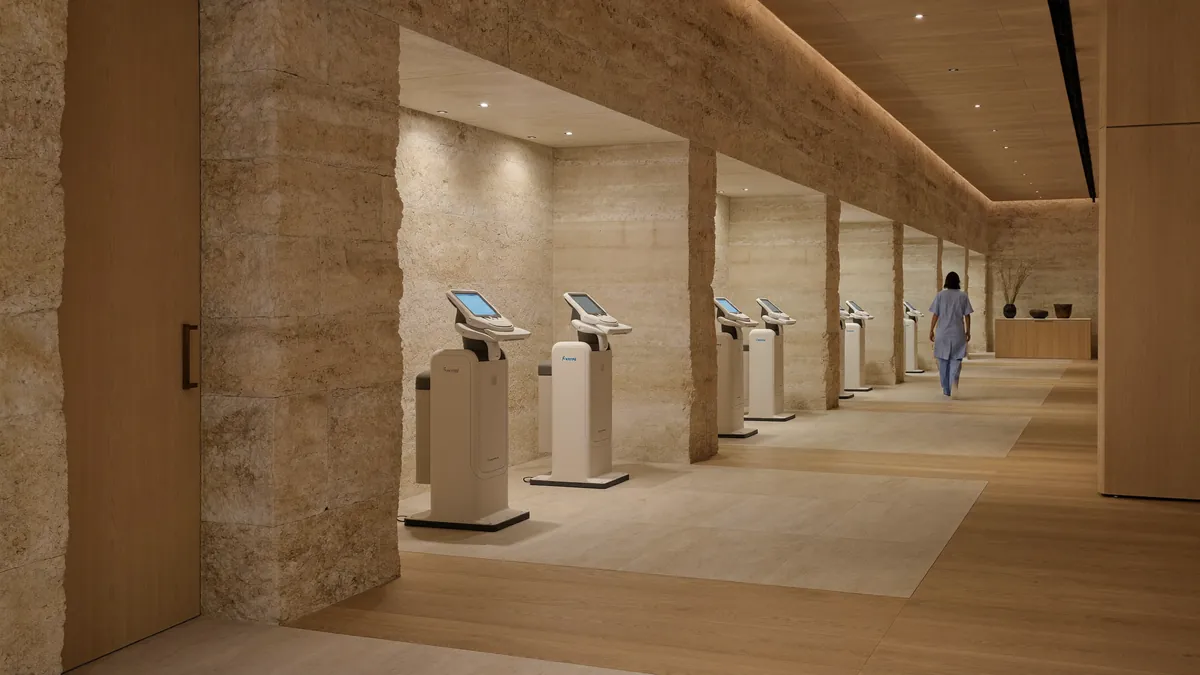
Longevity medicine turned measurement into a business model: test, intervene, re-test. What clinics actually measure, the equipment stack at three budget tiers, and who is opening longevity practices across Bali and Jakarta.